
Best Military & War Books: Top Picks for Strategy, Combat & History Fans
The best military and war books transport you right onto the battlefield, into the commander’s tent, and inside the soldier’s mind, and I’ve spent years finding the ones that do this best. As someone who especially loves a gripping young adult novel, I know a powerful story when I see one, and the books on this list have that same unforgettable quality.
This guide offers you a curated list of trustworthy recommendations. You will find books focused on gritty combat, grand strategy, and pivotal historical battles. Here is a quick preview of the authors and styles you can expect.
- Stephen E. Ambrose for immersive historical narratives.
- Tom Clancy for intricate, technical modern warfare.
- Karl Marlantes for a raw, personal look at the Vietnam War.
- Essential classics that defined the genre.
- Underrated gems that deserve more attention.
What Exactly Are You Looking For? A Quick Guide to Military Book Types
Military books come in several main types. Think of them like different maps. One type gives you the god’s-eye view of the entire campaign, while another shows you the muddy path a single soldier walked.
- Non-fiction History: These are the overview maps. They explain the causes, major battles, and outcomes of a war. You follow generals and see troop movements on a large scale.
- Historical Fiction: This map is painted with personal stories. Authors use real historical settings but create characters to live through them. You get history plus a powerful, personal narrative.
- Memoirs & Biographies: This is the ground-level path. You see the war through one person’s eyes, feeling their fear, confusion, and courage. The line between a great memoir and great fiction is often very thin.
- Strategy & Theory: These are less like maps and more like instruction manuals on how to think about conflict itself. They deal with principles of power, psychology, and tactics that apply beyond the battlefield.
This brings us to a common question: what genre are military books? They don’t fit just one. A single title can be history, biography, and political science. Some of the best military stories are even science fiction or fantasy, using imagined wars to explore real human themes. For readers who enjoy political-military thrillers in the vein of Tom Clancy’s Jack Ryan series, there are plenty of gripping options. These stories blend geopolitics with high-stakes action.
Before you choose, ask yourself these questions:
- Do I want to understand the general’s strategy or the infantryman’s struggle?
- Am I in the mood for factual analysis or a compelling story?
- Which war or period fascinates me most?
- How much detail about combat can I handle?
Speaking of that last point, a quick but important note. Many of these books, especially memoirs and realistic fiction, contain graphic descriptions of violence and its traumatic aftermath. It’s wise to consider your comfort level with this material before you start reading, especially if you’re looking for deeply emotional stories about trauma and found family.
For the Strategist: Books That Decode Warfare Like “The Art of War”
If you love the timeless lessons in Sun Tzu’s The Art of War, you’re probably looking for a “book like Art of War.” The good news is, many authors have built upon that ancient foundation. Here are core texts that decode the principles of conflict. For readers seeking the human side of war, there are titles that read like diaries of survival—books that capture personal experience living through persecution, much like Anne Frank’s diary. These selections blend strategic insight with intimate, lived perspectives.
- The 33 Strategies of War by Robert Greene. This book directly applies classical military strategy to modern life, from business to personal conflicts. It’s more expansive than Sun Tzu, organizing tactics into psychological, political, and defensive categories.
- On War by Carl von Clausewitz. This is the dense, philosophical Western counterpart to Sun Tzu. It grapples with the chaotic nature of war, famously calling it “the continuation of politics by other means.”
- The Book of Five Rings by Miyamoto Musashi. Written by a legendary Japanese swordsman, this is a treatise on strategy, discipline, and mindset. Its focus on personal mastery and psychological readiness complements Sun Tzu’s broader view.
- The Utility of Force by Rupert Smith. A modern take that argues classic warfare between states has been replaced by “war amongst the people.” It’s crucial for understanding 21st-century conflicts.
- The Strategy Bridge by Colin S. Gray. This book explains how to connect high-level political goals to practical military action, making the theory of strategy feel very concrete.
| Book Title | Primary Focus Area |
| The Art of War | Fundamental principles, deception, winning without fighting |
| The 33 Strategies of War | Psychological warfare, social dynamics, historical case studies |
| On War | Philosophical nature of war, political context, friction and chance |
| The Utility of Force | Modern warfare paradigms, counter-insurgency, the changing battlefield |
If you’re new to strategy theory, some of these can feel very dense. I often suggest starting with a narrative-driven history of a great commander, like a biography of Ulysses S. Grant, to see the principles in action first.
Ancient Wisdom to Modern Manuals
Books like Clausewitz’s On War or Sun Tzu’s The Art of War are not just old texts. They are still actively taught in military academies around the world. Their ideas form the bedrock of strategic thought. Modern manuals and doctrine still reference their concepts, such as Clausewitz’s “fog of war” or Sun Tzu’s “know your enemy.” Reading them is less about learning outdated tactics and more about training your mind to think strategically about any complex problem.
Soldier’s Eye View: Gripping Stories of Combat and Survival

If you want the visceral, personal experience of war, this list is for you. These are the books that don’t just tell you about a battle; they make you hear the crack of bullets and feel the mud. These are among the best historical fiction that explore the human experience of conflict. They go beyond the battlefield to reveal fear, resilience, and moral choices. For readers searching for “books like All Quiet on the Western Front,” look here. These accounts share that same haunting, ground-level honesty.
- With the Old Breed: At Peleliu and Okinawa by Eugene B. Sledge. Often called the finest memoir of WWII. It is unflinchingly honest about the horror and the bonds between Marines.
- Matterhorn: A Novel of the Vietnam War by Karl Marlantes. A masterpiece of fiction that feels like a memoir. It captures the physical ordeal, the bureaucratic absurdity, and the moral confusion of jungle warfare.
- Band of Brothers by Stephen E. Ambrose. The story of Easy Company, 506th Parachute Infantry Regiment, from training through D-Day to the end of WWII. It reads like a novel but is meticulously researched history.
- Dispatches by Michael Herr. A journalist’s raw, psychedelic account of the Vietnam War. It defines the style of modern war reporting and immerses you in the sound and fury.
- The Things They Carried by Tim O’Brien. A genre-bending classic labeled fiction but loaded with truth. It explores the weight of physical gear and the heavier weight of memory, fear, and guilt.
- Storm of Steel by Ernst Jünger. A German officer’s memoir of WWI that is strangely detached and vividly graphic. It presents a different, sometimes chilling, perspective on duty and survival in the trenches.
These books are powerful because they focus on sensory details: the smell of cordite and decay, the deafening noise of artillery, the tangible fear in a soldier’s gut. Please be aware, they contain intense, vivid depictions of violence and psychological trauma.
From World Wars to Modern Conflicts
Each war has a unique character, which these books capture from the soldier’s perspective.
- World War I (Trench Warfare): For the claustrophobic horror of the trenches, read All Quiet on the Western Front by Erich Maria Remarque (fiction) or Good-Bye to All That by Robert Graves (memoir).
- World War II (Global & Mechanized): For the vast scale and varied fronts, try Helmet for My Pillow by Robert Leckie (Pacific theater memoir) or The Forgotten Soldier by Guy Sajer (a German soldier’s brutal experience on the Eastern Front).
- Vietnam War (Counter-Insurgency & Morale): For the confusion and fragmentation of this war, Matterhorn (fiction) and Dispatches (journalism) are essential. They capture the unique psychological landscape.
- Modern Conflicts (Asymmetric Warfare): For recent wars in Iraq and Afghanistan, consider The Yellow Birds by Kevin Powers (fiction about the war’s aftermath) or War by Sebastian Junger (embedded reporting with a platoon in Afghanistan).
Through the Lens of History: Novels and Accounts of Famous Battles
I love a book that makes me feel the grit of gunpowder and hear the clatter of cavalry. The best historical war books do just that, whether they’re fact or fiction. They balance rigorous detail with a story you can’t put down.
For a conflict often overlooked, like the War of 1812, I suggest starting with Steve Vogel’s The Battle of Baltimore. It reads like a thriller but is packed with the strategic decisions that saved a city. For a fictional take, Nicole Eustace’s The War of 1812 explores the personal and political drama behind the battles.
Comparing different angles on one event can be incredibly revealing. Take D-Day. Stephen E. Ambrose’s Band of Brothers follows one company of paratroopers through their entire harrowing campaign. For the top-down view, consider Rick Atkinson’s The Guns at Last Light, which details the grand strategy of the Allied high command. Reading both gives you the complete picture, from the map room to the muddy foxhole. This contrast between the commander’s plan and the soldier’s reality is at the heart of all military history.
I always note when an author has served. Their firsthand knowledge of camaraderie, fear, and procedure adds a layer you can trust. Ambrose was a historian who interviewed countless veterans, while many modern authors like Karl Marlantes (who wrote the Vietnam epic Matterhorn) have direct combat experience that bleeds into every page.
Eras and Campaigns to Explore
Ancient and Medieval Warfare
These books focus on the intimate, brutal nature of pre-gunpowder combat.
- Gates of Fire by Steven Pressfield. This is my go-to for the Spartan stand at Thermopylae. It’s less about kings and more about the men in the phalanx-their training, their bonds, and the sheer physicality of shield-wall combat.
- The Last Kingdom by Bernard Cornwell. The first book in the Saxon Stories series drops you into the shield wall of 9th-century England. Cornwell’s descriptions of Viking raids and Saxon tactics are visceral and clear, making ancient warfare feel immediate and personal.
Major Modern Wars
Here are pivotal reads from key conflicts, chosen for their narrative power.
- American Revolution: 1776 by David McCullough. It zeros in on one make-or-break year, focusing on Washington’s leadership and the endured suffering of his army. It feels urgent and human, not distant.
- Civil War: The Killer Angels by Michael Shaara. This novel of Gettysburg gets inside the heads of generals like Lee and Longstreet. You understand their tactical choices as fraught, human decisions with immense cost.
- World Wars: For WWII, Band of Brothers by Stephen E. Ambrose remains essential. For WWI, All Quiet on the Western Front by Erich Maria Remarque is the timeless, devastating soldier’s-eye view.
- Vietnam: The Things They Carried by Tim O’Brien. A blend of fiction and memoir, it captures the emotional and psychological weight of the war in a way pure history often cannot.
Beyond Reality: Speculative Fiction and Audio Adventures in War
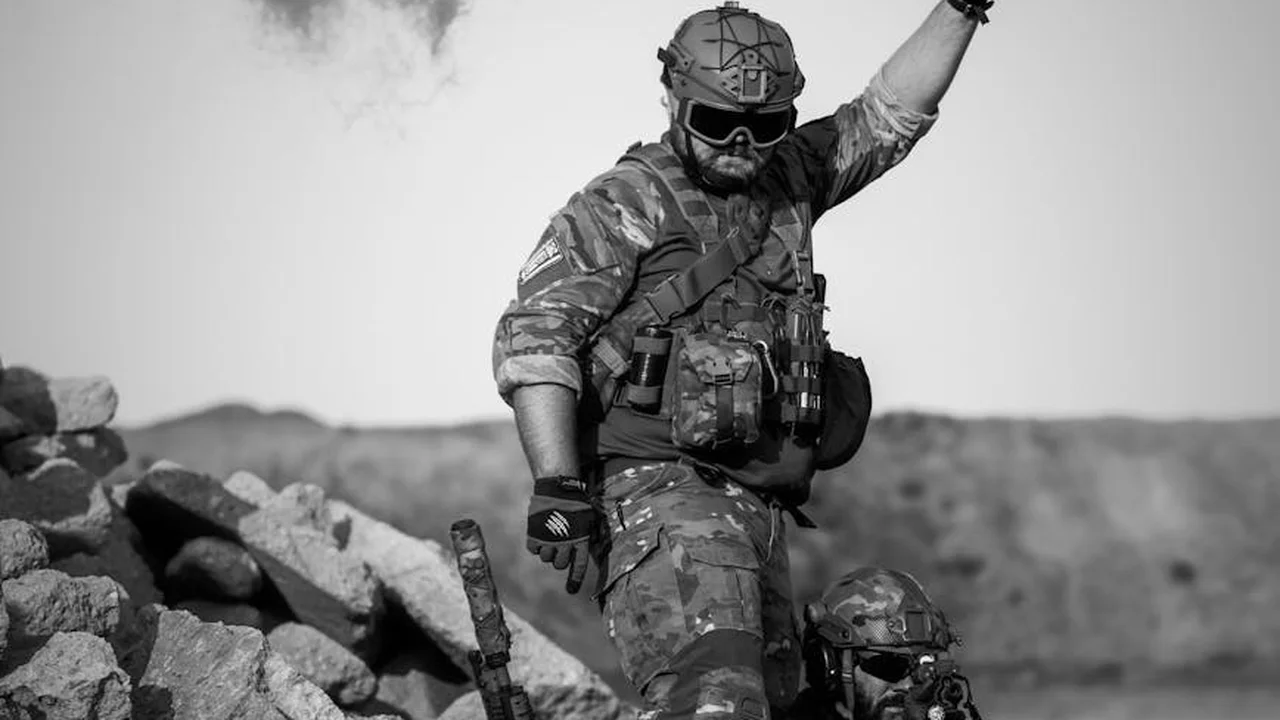
Sometimes, the most profound truths about conflict come from worlds that never existed. If you like strategy and combat but crave a more imaginative setting, this category is for you.
Audio formats are a special treat here. Epistolary stories (told through interviews or logs) come alive with a full cast. This is why searches for audio books like world war z are so common. Max Brooks’ World War Z: The Complete Edition is a masterpiece of audio production. The interview format, with different voice actors for each global survivor, creates an immersive documentary feel that print alone can’t match.
For military sci-fi fans looking for audio books like expeditionary force, the charm is in the narration. Craig Alanson’s Expeditionary Force: Columbus Day, narrated by R.C. Bray, uses humor and a grunt’s-eye perspective on interstellar war. The audio performance adds incredible personality to the AI character, Skippy, making the strategic banter a joy to listen to.
Here are more titles that reimagine the rules of war:
- The Poppy War by R.F. Kuang. A grim fantasy that starts in a military academy and escalates into a brutal conflict inspired by the Second Sino-Japanese War. Its magic system is integrated into terrifyingly creative warfare.
- The Man in the High Castle by Philip K. Dick. This cornerstone of alternate history explores a world where the Axis won WWII. It’s less about battles and more about the psychological weight of living in a conquered reality.
- Old Man’s War by John Scalzi. For tight, propulsive sci-fi combat with interesting strategic twists, this is a brilliant entry point. It follows elderly recruits given new, enhanced bodies to fight for colonies in space.
A final note: many of these books use their speculative settings as a powerful allegory. The Poppy War grapples with the cycle of vengeance and the cost of using monstrous power, while World War Z is a clear commentary on global preparedness and social breakdown. The distance of fantasy or sci-fi often lets authors tackle contemporary issues with striking clarity, making their work meaningful beyond just entertainment.
How to Hunt Down Your Perfect War Book: Awards, Shops, and More
Once you know the kind of story you want, the real search begins. I love this part, it’s like being a literary detective. Here are the steps I use to find books I know I’ll love.
1. Let Awards Point You to Quality
A great shortcut is to look at books that have won major prizes. Checking award lists is a reliable way to find rigorously researched and compellingly written history. For military history, the Pulitzer Prize for History is a fantastic starting point. Other awards to watch for include the Pritzker Military Museum & Library Literature Award and the British Army Military Book of the Year.
2. Know Where to Look (Paid and Free)
You can find new and used ‘military history books for sale’ in many places. I always check independent bookshops first, as many have knowledgeable staff in specific sections. Online, retailers like Amazon are convenient, but I also browse the websites of specialist publishers like Osprey Publishing or the Naval Institute Press.
For ‘military history books free’ of charge, your local library is a powerhouse. Use their app (like Libby or Hoopla) to borrow ebooks and audiobooks instantly. For very old works, Project Gutenberg offers thousands of public domain titles you can download at no cost.
3. Vet the Author and the Audience
Before you commit, do a quick two-minute check. Look at the author’s biography. Do they have a background as a historian, journalist, or service member? This often speaks to their credibility. Then, read a handful of reader reviews. I look for comments on both accuracy and how engaging the narrative is. A good review will tell you if the book is trustworthy and if it’s a page-turner or a slower, denser read.
4. Bookmark a Few Trusted Resources
I return to a few go-to sources for curated lists. These save me hours of random searching:
- The History Book Club: Their monthly selections and member discussions are a goldmine for finding acclaimed titles.
- Publisher “Staff Picks” Lists: Editors at houses like Penguin Random House often create themed lists, like “Essential WWII Reads.”
- Professional Reading Lists: Military branches, like the U.S. Army’s Chief of Staff’s list, publish recommended reading for personnel. These lists are excellent for finding authoritative texts.
Special Lists: War Books for Young Readers and Professionals
Some readers have very specific needs. Whether you’re choosing a book for a curious child or looking to deepen your professional knowledge, here are my focused picks.
Gentle Introductions: Military History Books for Kids
Choosing books for young readers requires care. The goal is to inspire interest without overwhelming them. These titles focus on personal stories, bravery, and survival, avoiding graphic battlefield descriptions. I always suggest parents read a synopsis or reviews first to ensure it’s the right fit for their child’s sensitivity. That care carries over when we consider the best book recommendations for pre-teens and young teens. In the next steps, I’ll outline how to evaluate those picks to fit a child’s age, sensitivity, and interests.
- “I Survived” series by Lauren Tarshis: These are fantastic. Each book places a child in the middle of a major historical event, like the Battle of Gettysburg or the Nazi Invasion. It makes history immediate and personal from a perspective kids understand.
- “The War That Saved My Life” by Kimberly Brubaker Bradley: A beautiful, award-winning novel about a disabled girl evacuated from London during WWII. It’s a story about finding family and strength far from the front lines.
- “Grenade” by Alan Gratz: Gratz is a master of historical fiction for middle-grade readers. This one tells the parallel stories of a young Japanese soldier and an American Marine during the Battle of Okinawa, highlighting the shared humanity on both sides.
For Deep Study: Military History Books for Army Officers & Serious Students
If you’re in the service, studying strategy, or simply want an advanced, technical analysis, these texts are foundational. These books are often dense and assume some prior knowledge, but they offer unparalleled insight into the mechanics of warfare and command.
- “On War” by Carl von Clausewitz: This is the classic text on military theory and philosophy. It’s not a casual read, but its concepts on the nature of war and the relationship between politics and violence are endlessly referenced.
- “The Utility of Force” by General Rupert Smith: A modern essential. Smith argues that the paradigm of “industrial war” has ended, replaced by “war amongst the people.” It’s crucial for understanding contemporary conflicts.
- “This Kind of War” by T.R. Fehrenbach: A monumental history of the Korean War, often cited for its profound lessons on preparedness and the realities of limited war. It reads with the narrative force of a novel but the depth of a staff study.
- “Learning to Eat Soup with a Knife” by John A. Nagl: A brilliant case study comparing how the British and American armies adapted (or failed to adapt) to counterinsurgency warfare in Malaya and Vietnam. It’s a direct lesson in organizational learning.
Next Reads for War and Strategy Book Lovers
The best military books immerse you in the minds of commanders and the hearts of soldiers. Let my suggestions guide you to tales where history feels alive and every page teaches something new. The best historical fiction books also transport you to different eras, making history come alive in their unique ways.
Written by Chrestos Plácida. Chrestos is an avid book reader and enthusiast. He reads and reviews countless books every year and has started multiple book clubs around his community where he helps the readers decide on which book to read next based on his personal reading experience. He also has a degree in literature and an interest in the classics and history and has written many books reviews for online blogs and review sites.