
Best Books for Learning Art Techniques: Your Guide to Drawing and Painting Skills
When you want to learn a specific art technique, the right book can transform your practice. I’ve loved exploring art manuals for years, and the best ones break down complex methods like figure drawing or watercolor washes into clear, visual steps you can follow at your own pace.
In this article, I’ll share my personal recommendations for books that teach hands-on skills. You’ll find suggestions for mastering techniques such as:
- Figure drawing with foundational anatomy guides
- Watercolor washes for smooth, layered effects
- Oil painting glazing to build rich color and depth
Starting Your Artistic Journey: A Map for Beginners
An art technique book is your practical instructor. Think of it like a cookbook, while an inspirational art book is like a beautiful food magazine. The technique book gives you recipes, measurements, and step-by-step photos. It explains the “how.”
So, what are the best books for a beginner? You want a book that feels like a good teacher, patient and clear. It should build skills in a logical order and make you feel capable after each lesson. These principles are essential when selecting educational books for teachers as well.
The key is to use these books at your easel or desk, not on your couch. Treat each chapter as a studio session. Do every exercise, even the simple ones. Sketch directly in the margins. Getting paint on the pages is a good sign.
For a first book that builds real confidence, I often point friends to Drawing on the Right Side of the Brain by Betty Edwards. It’s less about perfect technique and more about teaching you to see shapes and spaces instead of symbols. You will surprise yourself.
Many artists search for “art techniques books pdf.” A digital copy is great for previewing or saving money. A physical book, however, stays open next to you, lets you flip pages quickly, and survives splatters of turpentine or water. For learning, the tactile, open-on-your-desk copy almost always wins. Neuroscience suggests that reading non-fiction in print can rewire your brain by strengthening memory and focus through tactile engagement. Handling pages and annotating can reinforce neural pathways beyond what digital copies offer.
Your Go-To Shelf: Top Technique Book Recommendations
| Book Title & Author | Core Technique | Why It’s a Staple |
| Figure Drawing for All It’s Worth by Andrew Loomis | Figure Drawing & Proportion | It breaks down the human form into simple, constructible shapes. The approach is timeless and incredibly clear. |
| Keys to Drawing by Bert Dodson | Fundamental Drawing | Dodson gives you 55 “keys” or clear strategies for tackling any subject. It’s a friendly, comprehensive first course. |
| Making Color Sing by Jeanne Dobie | Watercolor & Color Theory | Dobie teaches you how to make colors vibrate and glow through masterful wash techniques. It’s poetic but practical. |
| Fill Your Watercolors with Light and Color by Roland Roycraft | Watercolor Washes | This book is a masterclass in water control. The photo sequences show you exactly how the brush moves and the paint flows. |
| Alla Prima: Everything I Know About Painting by Richard Schmid | Oil Painting (Direct Method) | Schmid’s voice is that of a generous master. He covers everything from brushwork to color mixing with stunning examples. |
| Classical Drawing Atelier by Juliette Aristides | Academic Drawing & Sight-Sizing | This book is a window into classical atelier training. It teaches you to see and draw like the old masters. |
Books like Loomis’s are often scanned as PDFs online. Having the physical book, however, lets you prop it up and glance from its diagrams to your own drawing in a way a screen just can’t match.
The Figure Drawing Foundation
To draw the figure, you need to understand the machinery underneath the skin. The classic texts are Bridgman’s Life Drawing by George B. Bridgman and the Loomis book mentioned above.
Bridgman’s approach is academic, showing the body as interlocking masses and planes. It’s intense. Andrew Loomis is more accessible, building the figure from a simple mannequin up. Loomis is your encouraging teacher; Bridgman is your brilliant, demanding professor.
For that “draw like da vinci book” search, you’re looking for texts on classical proportion and mastery. The Practice and Science of Drawing by Harold Speed or the Aristides book from our table get closest. They teach the principles of balance, rhythm, and measurement that Da Vinci used.
Vibe Check: The Academic Anatomy Guide
The vibe is serious and detailed. It feels like a rigorous university class that is tough but incredibly rewarding. The pages are filled with diagrams of muscles and bones.
This is for the beginner or intermediate artist who is ready for structure and deep study. You want to know *why* the body looks the way it does.
It might not be for you if you want to draw stylized cartoon figures tomorrow. This path is about understanding reality first.
Time Investment Verdict: The first chapter is dense with diagrams, but spending a week on just the rib cage will change how you see every body.
Mastering Watercolor Washes and Flow
Watercolor is about control and surrender. The best books for this teach you to partner with the water, not fight it. I look for authors who are brilliant teachers of the medium’s unique, fluid behavior. I also enjoy books where water is a metaphor for strength, as it adds another layer of depth to the art.
Jeanne Dobie’s Making Color Sing is phenomenal for color mixing and glazing. For the pure “how-to” of a perfect flat wash or a graded sky, Roland Roycraft’s book is unmatched. His step-by-step photo sequences are the ultimate “art technique looking through” a master’s shoulder. You see the exact angle of the board, the wetness of the brush, the moment the pigment blooms. No other book breaks down technique with such clarity, not even those dedicated to storytelling through illustration.
Oil Painting: From Glazing to Impasto
Oil painting can feel technical, but good books demystify it. You need a guide for rules like “fat over lean” and for using mediums like linseed oil safely.
Richard Schmid’s Alla Prima is the gold standard for a direct, expressive approach. For a focus on classical glazing techniques, Classical Painting Atelier by Juliette Aristides is wonderful. These books also acknowledge the sensory experience the smell of linseed oil, the smooth drag of a bristle brush across linen, the thick texture of impasto paint. They teach you the craft and help you fall in love with the medium.
Finding Your Style: Books for Comics, Manga, and Animation
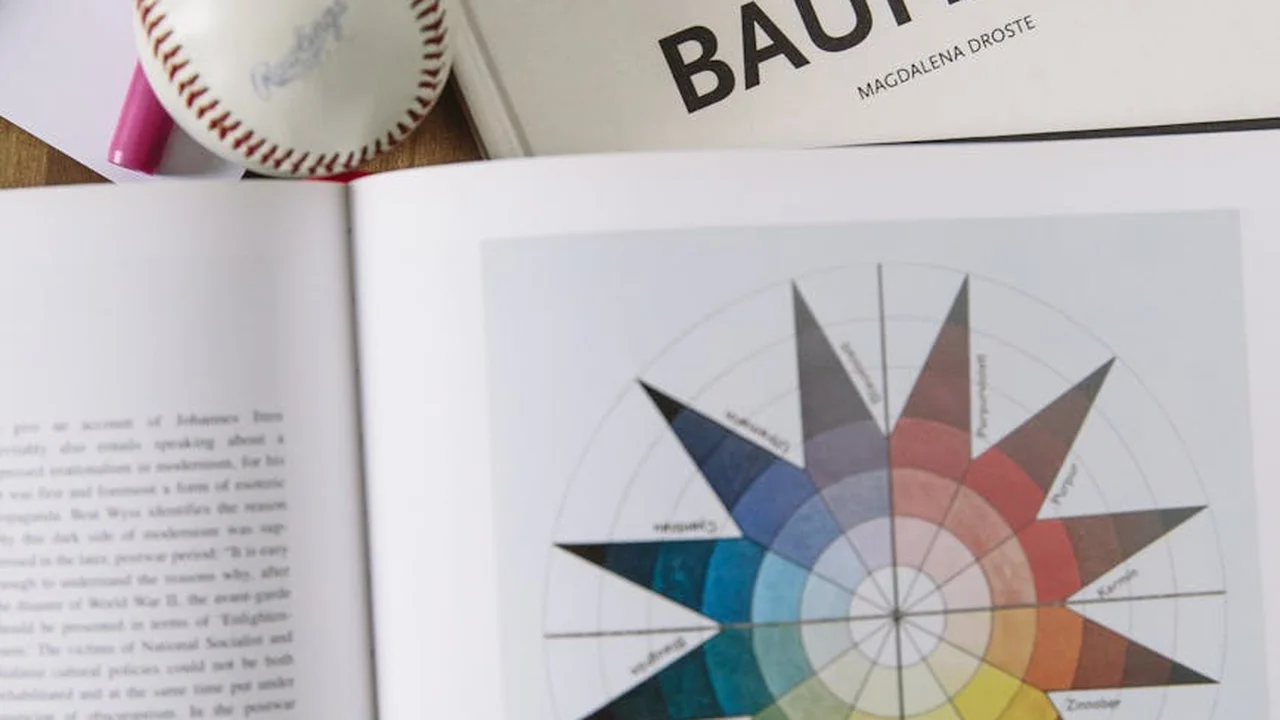
This is where we answer searches like “draw females like a comic book pro,” “draw like a mangaka book,” and “how to color like a comic.” These books have a different goal than foundational figure drawing. They teach stylization, storytelling, and specific finishing skills like inking and cel-style coloring.
For comics, Figure Drawing for Comics and Graphic Novels by Daniel Cooney is solid. In the manga space, the How to Draw Manga series from Graphic-sha covers everything from faces to mecha. For dynamic superhero art, the Draw Like a Sir series (or similar guides by comic pros) focus on confident, exaggerated anatomy and dynamic posing. This also ties into the idea that graphic novels are real reading. Debunking the myth graphic novels aren’t real reading helps kids see comics as legitimate literacy.
Use these books after you have some figure drawing basics, or alongside them. They show you how to bend the rules of anatomy to create style and motion, which is a fantastic next step.
Author Spotlight: The Style Guru
Let’s take the “Draw Like a Sir” style of author. Their teaching style is energetic and focused on cool results. They want you to make a drawing that looks like it leaped from a comic book page, fast. The lessons are often about creating confident, sweeping lines and dramatic shadows — applying techniques particularly effective for those interested in improving their art for comic books and graphic novels.
I like these books because they are great for motivation. They get you excited to draw and give you immediate tools to create a specific, popular aesthetic. These ideas align with books that offer unconventional wisdom for artists and creators—like ‘Steal Like an Artist’. The progress feels fast and satisfying.
A small caveat is that the style taught can be very specific. Use these books to learn principles of exaggeration and line confidence, not to copy a single look forever. Let them be a fun, inspiring bridge between your fundamentals and your own personal style.
Media Pairing for This Section
Pair your ‘draw like a mangaka’ session with the lofi hip-hop beats of ChilledCow and a matcha latte. It’s all about sustained, focused energy.
Beyond the Brush: Books on Color, Light, and Composition
Mastering a medium is one thing. Making a piece that feels alive is another. The books I recommend here focus on the universal principles that make art compelling, whether you use charcoal, watercolor, or digital brushes. These are the guides that transform competent work into captivating work by teaching you how to see and think like an artist.
For a direct, practical guide to color and light, I always suggest James Gurney’s Color and Light: A Guide for the Realist Painter. Gurney, the creator of Dinotopia, breaks down complex concepts into clear, visual examples. He explains why shadows have color and how light defines form. This book feels like a friendly mentor looking over your shoulder. It applies perfectly to any painter, from watercolor to oil.
If your drawings feel flat or your paintings look static, the issue is often composition. Greg Albert’s The Simple Secret to Better Painting offers one powerful, flexible rule that you can apply to every piece you make. It’s a short read with a massive impact. You’ll start to see this principle everywhere, in classic masterpieces and your own sketches.
To answer that beginner’s question about “looking through,” that skill is about perception. The classic book for this is Betty Edwards’ Drawing on the Right Side of the Brain. Its exercises train your brain to see shapes, spaces, and relationships instead of just symbolic objects. It’s less about technique and more about rewiring how you observe the world. For a more technical take on form and perspective, Andrew Loomis’ Figure Drawing for All It’s Worth is a timeless, in-depth resource. Loomis provides a structured system for constructing the figure that builds a confident understanding from the ground up.
Building Your Practice: How to Learn from a Technique Book
Think of these books as toolkits, not storybooks. Even when a book is hard going or unenjoyable, finishing it can be a powerful learning habit. I’ll share practical strategies to help you get through challenging reads without losing momentum. The real learning happens when you get your hands dirty. Here is a simple, repeatable method I use to learn any new technique from a book.
A Four-Step Practice Cycle
- Gather Your Supplies First. Before you open the book, get everything you need. Having to search for a brush or the right yellow halfway through an exercise breaks your focus. Set up your entire workspace.
- Follow the Exercise, Step-by-Step. Don’t skim. Do exactly what the author says, even if you think you know a shortcut. Their sequence teaches the reasoning behind the technique.
- Expect and Accept “Failure.” Your first wash will be blotchy. Your first glaze will be muddy. This isn’t failure; it’s data. Look at what happened and ask *why*. The book helps you answer that.
- Repeat Immediately. Do the same exercise again, right away. Use what you learned from the “miss.” This repetition builds muscle memory and confidence faster than anything else.
Getting paint smudges, pencil marks, and notes all over your technique book is a sign you’re using it correctly. These are active workbooks. Their value is in the practice they inspire, not their pristine condition on your shelf.
Creating Your Practice Space
You don’t need a studio. A small, dedicated corner is enough. The key is making it easy to start. Keep your basic supplies (a few brushes, your primary sketchbook, a couple of paints) ready to go on a cleared surface. A portable box or caddy works perfectly. This low-pressure, always-available space removes the biggest barrier to regular practice: the setup.
Book Club Discussion Starters (for an art learning club!)
Learning with others is motivating. If you’re working through these books with friends, these questions can spark great conversations, especially when discussing why we love reading.
- “Which exercise frustrated you the most, and what did it teach you about your own habits or assumptions?”
- “How has learning a technical rule, like a color principle, changed the way you look at art you love in museums or online?”
- “If you could take a class from one of these book’s authors, who would it be and why? What would you hope they’d emphasize?”
Your Next Steps: Curating Your Personal Art Library
You’ve seen some fantastic recommendations. Now, how do you turn those ideas into a real, working library on your shelf—especially one that’s architecturally unique?
Start with One Solid Foundation
I know the excitement of wanting to learn it all at once. Resist it. Pick the single technique that makes your fingers itch for a pencil or brush. Find the most recommended, clear book for that one thing. Work through it. Building a skill is better than collecting untouched books on many skills. I started with one simple figure drawing guide, and it became the cornerstone of everything I learned after.
Explore the Treasure of Used Bookstores
Don’t overlook the physical, slightly worn book. Older editions of classic technique guides are often identical to the new ones, just without the glossy cover. The core principles of a watercolor wash or an oil glaze haven’t changed in decades. You can often find these timeless resources for a fraction of the price, with someone else’s helpful notes in the margins. It’s a budget-friendly way to own the classics.
Choose the Book You’ll Actually Open
This might be the most important tip. The absolute best technical manual is useless if its style drains your motivation. Does the author’s voice encourage you? Are the pictures clear and inspiring? Does the layout make you want to try the exercise on the next page? The most valuable book in your collection will be the one you reach for constantly because it feels like a helpful friend, not a textbook. Your excitement is the fuel for consistent practice.
Remember Where Every Artist Begins
Flip to the first page of any book on your list. That blank space before the content starts is where every artist you admire began. They felt the same anticipation, the same slight doubt, the same hope that these pages held a key. Your journey is no different, and it starts with the simple, brave act of turning that page. Your personal masterpiece isn’t in the book. It’s waiting for you on the other side of practice.
Next Reads for Your Artistic Journey
The best book for you is the one that meets your current skill level and directly supports the specific technique you want to learn. Choose a guide that makes you want to open your sketchbook or set up your palette right away. Trust your instincts, find a book that speaks to you, and enjoy every step of your progress.
Written by Chrestos Plácida. Chrestos is an avid book reader and enthusiast. He reads and reviews countless books every year and has started multiple book clubs around his community where he helps the readers decide on which book to read next based on his personal reading experience. He also has a degree in literature and an interest in the classics and history and has written many books reviews for online blogs and review sites.