
Scholastic Book Fairs: A Personal Look at Their History and Reading Impact
I loved Scholastic Book Fairs because they filled my school with the crisp smell of new pages and the electric buzz of kids finding their next favorite story. For a young reader like me, they turned book buying into a cherished memory.
I will share the story of how these fairs began and the ways they shaped reading habits for generations. Here are a few books that consistently brought smiles to young faces at the fair.
- Harry Potter and the Sorcerer’s Stone by J.K. Rowling
- Goosebumps: Welcome to Dead House by R.L. Stine
- The Magic Tree House #1: Dinosaurs Before Dark by Mary Pope Osborne
- Because of Winn-Dixie by Kate DiCamillo
Key Takeaways: A Snapshot of the Book Fair Bookshelf
Scholastic Book Fairs created a special, unforgettable place for childhood reading and book discovery. It was a world of its own in the school gym or library.
The books have changed a lot. They started with simple paperbacks and grew to include graphic novels, book-and-toy kits, and popular new stories. This shift shows how children’s reading tastes have expanded over the decades. Today, many of the best whimsical interactive children’s picture books use lift-the-flaps, touch-and-feel textures, and pop-ups to engage young readers. These hands-on features invite curious fingers to explore and bring stories to life.
For countless kids, the book fair was their first time picking out a book with their own money and taking it home. That act of personal choice and ownership often turned a book into a treasured object, helping shape a lifelong reader.
Looking back at this history isn’t just about nostalgia. It helps us find books that offer today’s young readers that same electric feeling of finding a story that feels like it was made just for them, much like the classics from the golden age of children’s literature.
The Book Fair Time Machine: What We Read Then and What to Read Now
Let’s travel through the decades of book fair history, using the books themselves as our guideposts. Here are the titles that defined generations of fairs.
| Book/Author | Genre | Why It’s a Book Fair Classic |
| Goosebumps by R.L. Stine | Horror/Suspense | Short, spooky chapters with a twist ending in every book made them a safe thrill. The collectible series format was perfect for the fair. |
| The Baby-Sitters Club by Ann M. Martin | Contemporary Fiction | Relatable stories about friendship and entrepreneurship. The long-running series gave readers a comforting, familiar world to return to each fair. |
| Harry Potter by J.K. Rowling | Fantasy | Its massive popularity turned the fair into a hub for the latest installment. It showed how a single series could create a shared reading event for an entire school. |
| Diary of a Wimpy Kid by Jeff Kinney | Humor/Graphic Hybrid | The handwritten font and funny cartoons made it irresistible to reluctant readers. It proved the power of a highly visual, laugh-out-loud format. |
| Dog Man by Dav Pilkey | Graphic Novel | Full-color, action-packed, and deeply silly. It represents the modern fair’s embrace of the graphic novel as a primary, celebrated format for young readers. |
The early fairs had a tactile magic. You picked up a shiny paperback, flipped through the crisp pages, and maybe got a scratch-and-sniff bookmark. Today, while you can shop online, the in-person fair is still a major event. The core experience-kids buzzing around tables, making independent choices-remains wonderfully unchanged, even with digital payment options and themed decorations.
The Early Days: Paperbacks and Point-of-Purchase
The first fairs were simple. Racks of affordable paperbacks were set up in a school hallway. The goal was direct: put books in front of kids where they already were.
Authors like R.L. Stine (Goosebumps), Ann M. Martin (The Baby-Sitters Club), and Beverly Cleary (Ramona) dominated. Their books shared a winning formula. The writing was fast-paced and straightforward, with clear characters and problems that resolved quickly, often leaving you eager for the next book in the series. This made them highly accessible for elementary readers building confidence. This naturally invites the question: are the best book series similar to Goosebumps in balancing mild horror with kid-friendly adventures? Looking at these parallels helps explain why such series appeal to kids and young adults.
If you loved the clear, friendly stories of that era, try The Friendship Code (Girls Who Code) by Stacia Deutsch or the Planet Omar series by Zanib Mian. They offer that same series comfort with modern characters and explore the i like you theme in romance, friendship, and coming-of-age stories.
The Modern Fair: Themes, Graphic Novels, and Beyond
Walk into a book fair today and you’ll see a full production. There might be a jungle or space theme, with decorations hanging from the ceiling. You’ll find chapter books, but also a huge array of graphic novels, nonfiction, and activity kits.
The selection has expanded to match a wider range of interests. You’ll see more diverse authors and genres, from fantasy adventures to books about coding. Graphic novels are no longer a side offering; they are often the main event, meeting kids right at their visual literacy level.
Fairs have smartly adapted. They might have an online preview or eWallet payments, but the heart of the experience is still that physical, social discovery in school. It’s a break from the routine, a celebration of stories.
For the graphic novel fan hooked by Dog Man, the InvestiGators series by John Patrick Green offers that same blend of bright art and manic humor.
Building a Personal Library: How Book Fairs Shape Readers
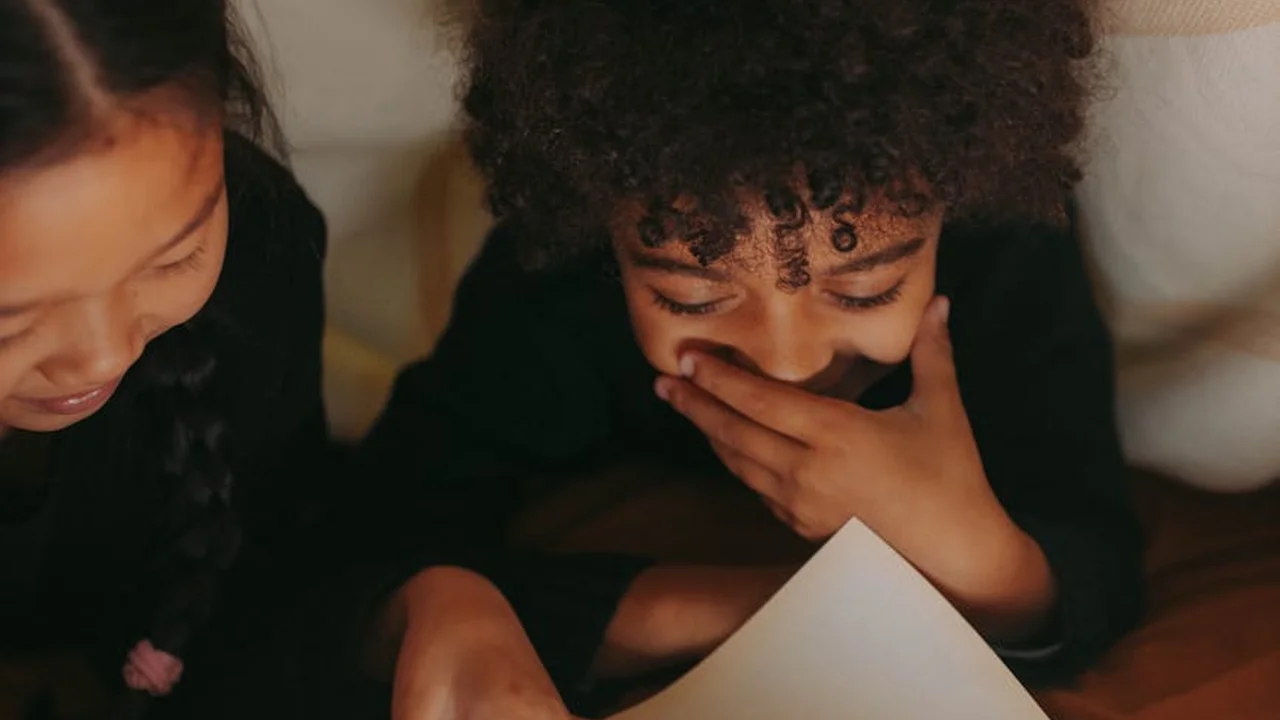
There’s a powerful psychology at work when a child buys a book at a fair. Using their own allowance or gift money transforms reading from an assignment into a personal investment. That book on their shelf is a choice they made, a world they selected.
Book fairs also play a key role in school ecosystems. A portion of sales often goes back to the school library or classrooms, funding new books and resources. This creates a cycle: the fair supports the library, and a strong library culture makes students more excited for the fair. It builds a community around reading.
This experience isn’t equal for every child. Socioeconomic factors directly affect who can participate. Many teachers and librarians work hard to ensure access, using reward programs or fair-provided funds. Community book swaps or “little free libraries” can offer a similar joy of choice and ownership for free.
Teachers I’ve spoken to see immense value in the excitement and access the fair provides, though some note the commercial aspect. The consensus is that when managed well, the good-getting kids genuinely excited about books-far outweighs the concerns.
Author Recommendations: The Pillars of the Fair
Certain authors became book fair legends because their writing perfectly matched the moment.
R.L. Stine mastered the formula. His Goosebumps books are tightly plotted, with cliffhangers every few pages and a scary (but not too scary) payoff. They were designed to be devoured, making them ideal for the fair’s “grab and go” energy. For modern readers, the sheer number of books can be daunting, but the early entries remain a great introduction to genre suspense.
Dav Pilkey understands that reading should be fun first. From Captain Underpants to Dog Man, his books are irreverent, visually explosive, and full of heart. They speak directly to kids who might think books are boring, using humor and comics to pull them in. His work is a major reason graphic novels are now fair staples.
Jeff Kinney captures the awkward, funny truth of middle school life. Diary of a Wimpy Kid feels like a peer’s private journal. The hybrid format of text and simple cartoons makes the reading experience fast and engaging. It resonates because it’s deeply relatable, showing kids they’re not alone in their daily struggles. It shows how middle-grade books can feel like diary-style, funny adventures that kids who love comedy devour. That diary voice makes reading feel like hanging out with a witty friend.
The Vibe Check: Who Are These Books For?
The classic book fair book has a specific vibe. It’s commercial in the best sense-created to be widely appealing and immediately engaging. It’s often part of a series, giving a reader a clear “what’s next” path. Above all, these books are engineered to be accessible, with clear language, fast pacing, and hooks that grab a reader within the first few pages.
The writing level typically targets readers in grades 2 through 7. Plots move quickly, with lots of dialogue and action. Descriptions are minimal; the focus is on what happens next, which is a key trait that differentiates early chapter books from other beginner readers.
It’s helpful to know who these might not be for. If a reader is looking for dense, literary fiction, deep descriptive prose, or serious, stand-alone coming-of-age novels, the classic book fair pick might feel too light. These books are gateways and joyful reads, not necessarily the final destination for every literary taste. And that’s perfectly okay. Their job is to open the door.
Bringing the Fair Home: Your Curated Reading List
If you’re chasing that specific book fair feeling—the excitement, the familiar covers, the promise of a quick adventure—this list is for you. It mixes beloved classics with newer stories that have the same magnetic pull.
Books Like Your Book Fair Favorites
- PAWS: Gabby Gets It Together by Michele Assarasakorn & Nathan Fairbairn I recommend this to anyone who loved the friendship and mild drama of The Baby-Sitters Club. It’s a vibrant, modern graphic novel about three friends starting a dog-walking business, full of heart and relatable problems.
- Sideways Stories from Wayside School by Louis Sachar This is the direct spiritual successor to the silly, episodic humor of Goosebumps or Captain Underpants. Each short, bizarre chapter about the students on the 30th floor is perfect for a laugh before bed.
- Clean Getaway by Nic Stone For readers who gravitated toward the adventure and mystery of The Boxcar Children, this offers a richer, contemporary road trip story. A grandson and his grandmother journey through the American South, uncovering family history and social justice themes along the way.
- The First Cat in Space Ate Pizza by Mac Barnett & Shawn Harris This captures the pure, ridiculous joy of a Diary of a Wimpy Kid book. It’s a riotous, illustrated sci-fi epic about a cat saving the moon from evil rats. The pace is nonstop fun.
- Amari and the Night Brothers by B.B. Alston If you always reached for the Harry Potter display, this is your next magical read. Amari discovers a hidden supernatural world in her quest to find her missing brother. It’s thrilling, imaginative, and features a brilliant Black heroine.
- Linked by Gordon Korman This book has the immediate, page-turning quality of a classic Scholastic Point novel. When a small town middle school is vandalized with a swastika, students attempt to paper the hallway with paper chains to combat the hate, leading to a powerful story about community and accountability.
Media Pairing: The Ultimate Nostalgia Boost
Pair your reading with a playlist called “90s Kid Radio” on Spotify. It’s packed with the upbeat, feel-good pop that was everywhere when book fairs were at their peak-think “MMMBop” by Hanson, “Torn” by Natalie Imbruglia, and “Steal My Sunshine” by Len. For a movie, The Goonies is the perfect match. Its sense of scrappy adventure, tight-knit friend groups, and quest for treasure mirrors the energy of cracking open a new book fair find.
Book Club Discussion Starters
- What’s the very first book you remember buying at a Scholastic Book Fair, and why did you choose it? What does that choice tell you about your younger self?
- Looking back, how did your book fair picks change as you got older? Did you move from picture books to series novels, or from funny stories to spooky ones?
- If you were to create a “Book Fair Time Capsule” of 3-5 titles for a child today, which books would you include to give them that same magical experience?
Time Investment Verdict
One major appeal of classic book fair books is their pacing. You’re usually hooked by chapter two. Books like Goosebumps or Animorphs were engineered for instant engagement, with short chapters and immediate stakes. This makes them high-reward reads, especially for reluctant readers or anyone short on time.
This contrasts with some modern middle-grade novels, which often take more time to establish character and world. Those books offer deep, immersive experiences, but they don’t always provide that same instant-gratification plunge into the story that defined so many book fair staples.
When Not to Try This: Limitations and Considerations
The book fair model, for all its joy, has valid criticisms. Its selection is inherently commercial and limited to what sells in massive volume. This often meant a lack of diverse authors, niche genres, or complex nonfiction. Equity of access was also a persistent issue, as not every family had spare cash for optional purchases.
Look beyond the book fair model when you or a young reader are seeking:
- Diverse voices and stories that reflect a wider range of experiences.
- Deep dives into specific interests, like detailed historical fiction or science books that go beyond fun facts.
- Books that challenge pacing norms with slower, more lyrical storytelling.
While formative, book fair books are one part of a rich reading diet. They are the gateway, the popcorn, the first spark. A lifelong love of reading is built by following that spark into the vast, wonderful library that exists beyond the folding tables in the gym.
Your Next Chapter in Reading
Scholastic Book Fairs have uniquely made books a thrilling part of childhood, turning school gyms into portals to new worlds. I encourage you to revisit that feeling by sharing vibrant, chosen-with-care stories with the young readers in your life.
Written by Chrestos Plácida. Chrestos is an avid book reader and enthusiast. He reads and reviews countless books every year and has started multiple book clubs around his community where he helps the readers decide on which book to read next based on his personal reading experience. He also has a degree in literature and an interest in the classics and history and has written many books reviews for online blogs and review sites.