
Your Feelings Have a Perfect Book Match
A good book doesn’t just tell a story-it meets you exactly where you are. I’ve spent years finding the right story for every mood, and matching a book to your moment can turn reading into a form of gentle, understanding companionship.
This guide offers my personal recommendations for when you need a story to walk alongside you. We will look at books that can help with four specific feelings. Here are a few you will find inside:
- For empathy: A novel that makes a stranger’s heart feel familiar.
- For grief: A story that holds space for loss without demanding you “move on.”
- For anxiety: A calming read that feels like a quiet breath.
- For joy: A book that sparkles with pure, contagious delight.
Start Here: A Quick Self-Check for Your Reading Mood
Before we look at any titles, let’s pause for a moment. Think of this as a quick, quiet conversation with yourself. Finding the right book is less about lists and more about matching a story to your current emotional weather. Ask yourself these questions.
- What kind of energy do I have right now? Are you looking for a fast-paced adventure to match restless energy, or a slow, atmospheric novel for a quiet evening? A thrilling mystery can be perfect for distraction, while a lyrical story suits a reflective mood.
- Am I open to challenging themes, or do I need a softer landing? Both are valid. Sometimes we need a book that tackles hard truths head-on for catharsis, like Khaled Hosseini’s The Kite Runner. Other times, we need the gentle hope of a story like Travis Baldree’s Legends & Lattes.
- Do I want to see my own experience reflected, or explore something completely new? Reading about a character who shares your feelings can be a profound comfort. Conversely, stepping into an unfamiliar world or culture can be a refreshing escape and a lesson in perspective.
- How much focus can I give? Be honest. A dense historical epic requires more from you than a collection of short stories or a compelling graphic novel. It’s okay to choose based on your capacity for concentration.
Your answers are not wrong or right. They are simply clues. They will guide you to a book that feels less like a task and more like a companion.
Books to Widen Your Heart: Finding Empathy on the Page
Reading fiction is one of the most powerful ways to practice empathy. It lets you try on someone else’s life like a pair of glasses, seeing the world through their eyes for a few hundred pages. You get to live their joys, their struggles, and their quiet moments, which can make your own heart feel more spacious. This is especially true when exploring teen fiction, which engages with themes of identity and personal growth.
Here are a few stories I return to when I want to connect with humanity.
| Book Title & Author | Genre | The Vibe & Who It’s For |
|---|---|---|
| A Man Called Ove by Fredrik Backman | Contemporary Fiction | Grumpy, profoundly tender. For anyone who needs a reminder that community and unexpected friendship can heal. It’s deceptively simple and deeply moving. |
| The House in the Cerulean Sea by T.J. Klune | Fantasy | A warm hug in book form. Perfect if you feel cynical or weary. It’s a story about chosen family, acceptance, and finding where you belong, wrapped in magical realism. |
| Normal People by Sally Rooney | Literary Fiction | Intimate, awkward, and razor-sharp. This is for you if you want to feel deeply intertwined with characters as they navigate the painful, confusing terrain of young love and class differences. |
| Inside Out & Back Again by Thanhha Lai | Middle Grade Novel in Verse | Poetic, poignant, and accessible. Read this to understand the refugee experience from a child’s perspective. Its spare language carries immense emotional weight. |
Author Spotlight: Masters of the Human Heart
Some authors have a particular gift for making fictional people feel like your next-door neighbors. Fredrik Backman, for example, writes about curmudgeons and outsiders with such humor and grace that you can’t help but love them. His characters are flawed, often stubborn, and always deeply human.
Celeste Ng is another master. In novels like Little Fires Everywhere, she builds intricate community portraits. She shows how family secrets and societal pressures simmer beneath the surface of seemingly perfect lives. You finish her books feeling like you understand the motivations of every person in the story, even when they clash.
Try a book for empathy if you want to understand a perspective vastly different from your own, or if you just need a beautiful story about everyday kindness. Some middle-grade books that teach empathy celebrate differences and invite readers to step into others’ lives. These stories show that kindness can bridge real-world divides.
Gentle Companions for Grief: Stories That Sit Beside You
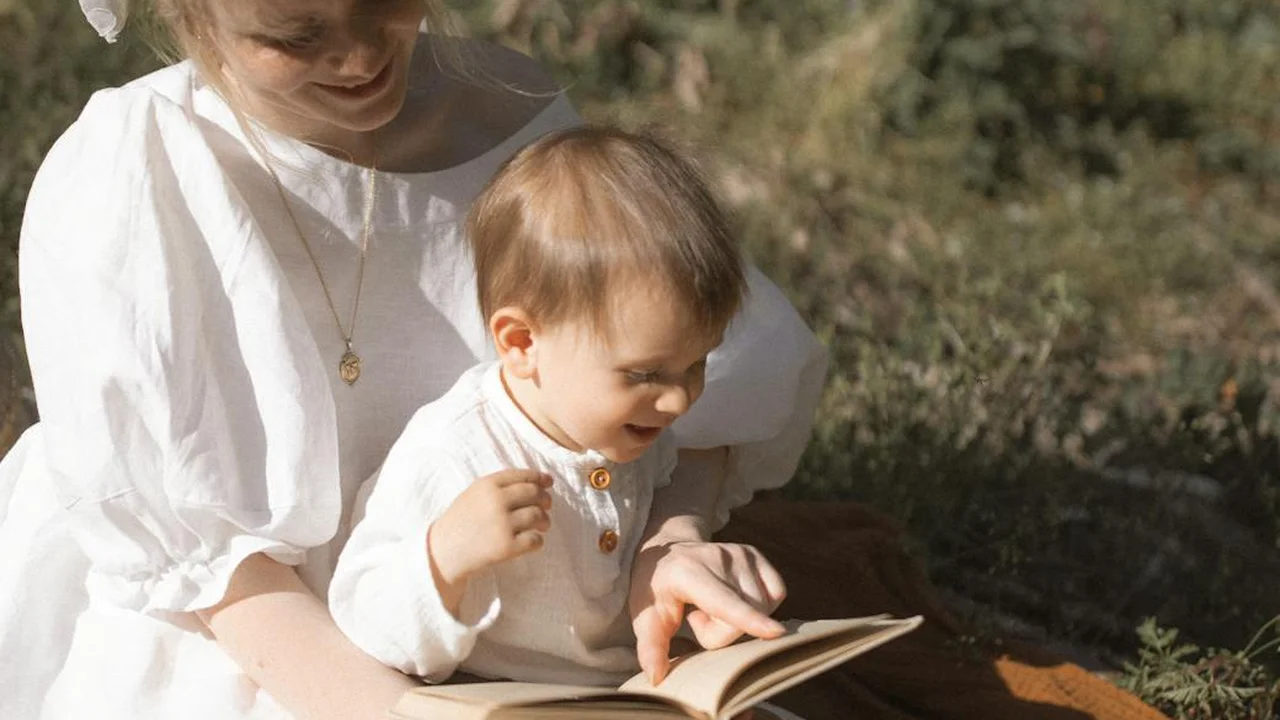
Grief is a personal journey, and a book can’t fix it. What the right book can do is sit beside you. It can say, “I see this weight you’re carrying,” without asking you to put it down. These stories offer companionship, not solutions.
Vibe Check: Pacing and Tone
Pay attention to a book’s rhythm when you’re grieving. Some books mirror the slow, foggy pace of loss—they are poetic walks through memory and landscape, exploring complex human emotions like loneliness, melancholy, and the search for meaning. Others are more immediate and raw, matching the sharpness of fresh pain. Neither is better. Your job is to find the tone that meets you where you are.
I often recommend a mix of formats during tough times:
- A Short, Powerful Memoir: Max Porter’s Grief Is the Thing with Feathers is a fragmented, stunning book about a grieving father and his sons. It’s weird, heartbreaking, and oddly hopeful. You can read it in one sitting.
- A Novel with a Healing Setting: In The Scent Keeper by Erica Bauermeister, the natural world is a core part of the story’s healing. Its focus on scent and secluded places creates a quiet, immersive space for contemplation.
- A Book of Poetry to Dip Into: Maggie Smith’s Good Bones or anything by Mary Oliver. These are not necessarily “about” grief, but their individual poems offer moments of clarity, beauty, and resilience when you can only handle a page at a time.
A Caring Note on Content
It’s wise to be gentle with yourself. Some books about loss are unflinching in their portrayal of sorrow. For example, Joan Didion’s The Year of Magical Thinking is a masterful, clear-eyed memoir of grief, but its intensity can be overwhelming for some. In contrast, a novel like Gail Honeyman’s Eleanor Oliphant Is Completely Fine deals with profound loneliness and past trauma with a lighter, often humorous touch that leads toward hope. Checking a book’s description or a site like StoryGraph for specific content notes is an act of self care, not spoiling the story. When looking for similar reads, it’s helpful to explore books that touch on social isolation, trauma recovery, and finding connection.
Calming the Storm: Books for Moments of Anxiety
When anxiety feels overwhelming, I think of a good book as a literary deep breath. Some stories gently reflect your own restless feelings, offering validation that you’re not alone. Others provide a total escape, pulling you into a different world where your worries can’t follow. Knowing which type you need is the first step to finding calm. Some readers also seek emotionally resonant fiction with strong thematic depth.
Choose a book that mirrors your anxiety for comfort, or one that transports you away from it for relief.
Top Recommendations for Anxiety
Here are a few books I return to when my mind is racing. Each offers something special: a comforting structure, a guaranteed hopeful ending, or a world so vivid it demands all your attention. Sometimes I’m feeling lost, and I reach for fiction about self-discovery and renewal to regain my footing. These titles offer a gentle map when the mind is racing, guiding me toward new chapters.
| Book Title | Author | Why It Helps |
|---|---|---|
| The House in the Cerulean Sea | T.J. Klune | This novel wraps you in a blanket of hope. Its gentle pace and theme of found family are a direct antidote to loneliness and worry. |
| Anxious People | Fredrik Backman | It reflects anxiety with kindness and humor. The story shows how flawed people connect, making your own fears feel more manageable. |
| The Hobbit | J.R.R. Tolkien | This is pure, immersive escape. The detailed world of Middle-earth is a place to get happily lost, far from daily stresses. |
| Turtles All the Way Down | John Green | It validates anxious thoughts from a young adult perspective. Reading about someone who understands the spiral can be deeply comforting. |
Quick Resets: Short Reads & Poetry
Sometimes you need a reset, not a marathon. For a fast moment of peace, I love poetry that grounds me in the natural world. Mary Oliver’s collections, like “Devotions,” focus on simple, beautiful observations of grass, birds, and sky. Her words are a quiet reminder to breathe. A single poem can shift your focus from internal noise to external wonder. If you need a laugh instead, try a hilarious essay collection. “Hyperbole and a Half” by Allie Brosh uses funny stories and drawings to distract you completely. It feels like chatting with a friend who gets it.
Reading with a Restless Mind
When anxiety brings mental clutter, I pick books with simpler, beautiful prose. Complicated sentences or dense plots can add to the noise. Look for books that are easy to read but rich in feeling. Prose that flows smoothly helps your mind settle instead of struggle. Books like “The Little Prince” by Antoine de Saint-Exupéry or “The Ocean at the End of the Lane” by Neil Gaiman use clear language to build magical, calming worlds. Simple, sensory prose can calm a busy mind without demanding too much from it, especially when paired with themes of silence, introversion, and stillness.
A Dose of Delight: Books to Spark Joy and Laughter
Joy in books isn’t just about happiness. It can be the pure fun of a silly adventure, the warm connection of a deep friendship, the awe of a stunning description, or the triumphant hope after a long struggle. I look for stories that make me feel lighter, often through language that appeals directly to my senses. That’s why I love reading—and why I write about it, sharing the best reasons for the joy found in books. These reflections often become essays about joy in reading, inviting others to discover their own love of books.
Joyful reading engages your senses, making you taste, see, and feel the story’s best moments.
Here are books that spark that kind of delight. They’re uplifting without feeling simplistic, offering genuine warmth.
- Chocolat by Joanne Harris: You can almost taste the chocolate and smell the village bakery. The sensory details are so vivid, they create a cozy, joyful atmosphere.
- The Secret Garden by Frances Hodgson Burnett: This book makes you see the colors of spring and feel the sunshine. Its focus on nature and healing is a classic source of gentle joy.
- The Long Way to a Small, Angry Planet by Becky Chambers: It finds joy in cozy friendships among a spaceship crew. The warmth between characters feels real and comforting.
- Anne of Green Gables by L.M. Montgomery: Anne’s wonder at the world is infectious. Her dramatic speeches and love for her home bring a triumphant, hopeful kind of delight.
If You Like [Author], Try This…
Finding a new favorite author is a special joy. Here are a few comparisons based on what you might already love.
- If you love the cozy friendships in Becky Chambers’ sci-fi, try “The Guernsey Literary and Potato Peel Pie Society” by Mary Ann Shaffer. It’s a heartwarming historical novel built through letters, full of connection and quiet humor.
- If you enjoy the sensory feasts in Joanne Harris’s books, try “Like Water for Chocolate” by Laura Esquivel. It’s a magical realist novel where emotions are cooked into food, making every page feel alive with taste and feeling.
- If you like the triumphant hope in young adult novels like John Green’s, try “The Poet X” by Elizabeth Acevedo. It’s a novel in verse about finding your voice, and its raw, joyful climax is deeply uplifting.
Some famous “happy” books work because they acknowledge sadness first. For example, “The Hitchhiker’s Guide to the Galaxy” by Douglas Adams is hilarious, but its humor comes from the absurdity of life. If you’re in a very low headspace, books that are purely sweet might feel shallow. The most lasting joy in stories often comes from earning the light after showing some of the dark. I recommend starting with books that have a balance, like the ones above, to ensure the delight feels genuine and resonant. It’s always good to consider books that fit your reading habits and preferences for the best experience.
Your Next Chapter in Emotional Reading
I always say the most powerful book is the one that meets you exactly where you are. Keep this list close to find stories that offer comfort, understanding, or a much-needed smile—especially when you’re looking for books about personal power, strength, and habit to help build resilience and discipline in your daily life.
Written by Chrestos Plácida. Chrestos is an avid book reader and enthusiast. He reads and reviews countless books every year and has started multiple book clubs around his community where he helps the readers decide on which book to read next based on his personal reading experience. He also has a degree in literature and an interest in the classics and history and has written many books reviews for online blogs and review sites.