
Decoding Early Chapter Books: I Can Read!, Step into Reading, and Branches Compared
I love helping young readers build confidence with books, and I’ve spent years matching kids with series that fit just right. I Can Read! focuses on phonics and simple stories, Step into Reading offers leveled fiction and nonfiction, and Branches provides illustrated chapter books for budding independent readers.
In this guide, I’ll break down each series by reading level, typical content, and why certain books resonate. Here are a few top suggestions to spark your curiosity:
- From I Can Read!: the warm “Frog and Toad Are Friends” by Arnold Lobel
- From Step into Reading: the rhythmic “Pete the Cat: Rocking in My School Shoes” by James Dean
- From Branches: the adventurous “Owl Diaries” by Rebecca Elliott
Why Picking the Right Series Makes All the Difference
Think of your child’s first independent reading journey like choosing their first bicycle. The right fit makes the ride smooth and exciting. The wrong fit can lead to wobbles and frustration. Picking an early chapter book series that matches your child’s skills and interests works the same way.
When a child feels successful on page one, they’re eager to turn to page two. That feeling of “I can do this!” is what builds a real love for reading. Our goal isn’t to race through levels. It’s to find stories that make your child smile and reach for another book.
To help you do that, we’ll focus on three of the most popular and trusted series: I Can Read!, Step into Reading, and Branches. Consider them the helpful friends in the library aisle, each with their own style.
The Starter Guide: What Are Early Chapter Books, Really?
An early chapter book is the wonderful bridge between picture books and full novels. If a picture book is a short, guided walk, and a middle-grade novel is a long hike, an early chapter book is a manageable, enjoyable trail with clear markers along the way. These titles are often cited among the best book series for kids moving from picture books to chapter books. They provide steady stepping stones toward longer novels.
You can spot them by a few key features:
- Short, clearly defined chapters that give natural stopping points.
- Illustrations on most pages that support the text and boost comprehension.
- Larger font sizes and more white space on the page.
- Familiar vocabulary and straightforward sentence structures.
These books are typically aimed at readers ages 4 to 8. I always suggest you focus on reading readiness more than a specific age. A ready reader might recognize some sight words, retell a simple story, and, most importantly, show curiosity about how words work together. It’s crucial to start with books that build vocabulary and focus on sight words for early readers to develop their skills effectively.
Here is my personal note: If your child is still deeply attached to being read to, or gets visibly stressed by letters on a page, it’s okay to wait. Pushing too soon can turn a joy into a chore. Keep enjoying those picture books about love and affection together. The right moment will come.
The VS Battle: I Can Read! vs. Step into Reading vs. Branches
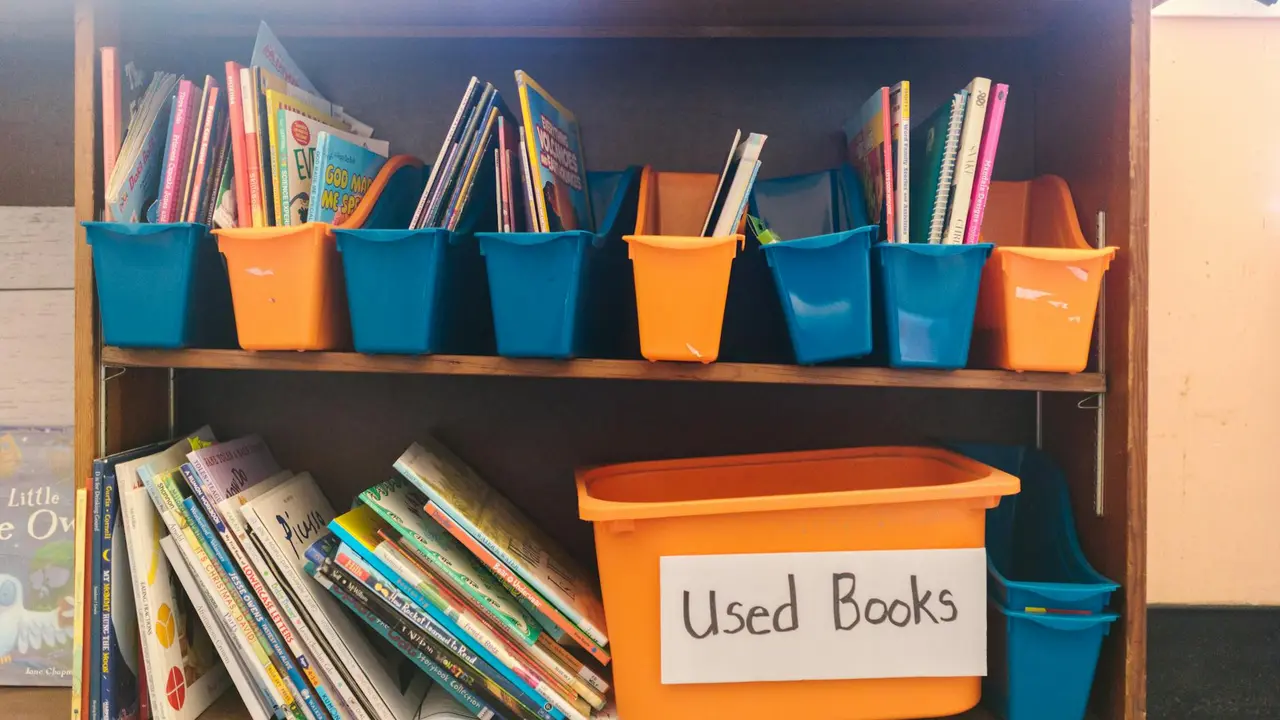
Let’s clear up the confusion. Below is a simple table to show you how these three series line up side-by-side.
| Feature | I Can Read! | Step into Reading | Branches (Scholastic) |
|---|---|---|---|
| Publisher | HarperCollins | Random House | Scholastic |
| Target Age | Ages 2-8 (Very wide range) | Ages 3-9 (Very wide range) | Ages 5-8 (More focused) |
| Level Structure | My First (shared reading), 1 (simple sentences), 2 (high-interest stories), 3 (complex plots) | Step 1 (ready to read), Step 2 (reading with help), Step 3 (reading on your own), Step 4 (paragraphs) | No numbered levels. Each book series has a consistent reading difficulty. |
| Book Length | 24-48 pages | 24-48 pages | 72-96 pages |
| Character Types | Mix of classic (Frog and Toad) and TV/media tie-ins (Paw Patrol). | Strong mix of original characters, history, science, and major licenses (Disney, Barbie). | Original, engaging characters in multi-book story arcs (The Notebook of Doom, Dragon Masters). |
| Illustration Style | Full-color, classic storybook art. | Full-color, varied styles from cartoony to realistic. | Full-color, graphic-novel style with speech bubbles and panels. |
Vibe Check: The Feel of Each Series
I Can Read! feels like a classic storytime. The pacing is gentle, and the stories often focus on warmth, friendship, and gentle humor. It’s a very comfortable, familiar place to start. As you get more confident, you can try YA titles with faster plots and accessible writing. Reluctant readers often find these stories grab attention early and keep you turning pages. Think of it as your most reliable pair of reading shoes.
Step into Reading feels like a vibrant nonfiction and fiction showcase. You find a fascinating book about sharks right next to a story about Anna and Elsa. This series is fantastic for kids whose interests guide their reading-whether that’s dinosaurs, superheroes, or real-life heroes.
Branches feels like a kid’s first book series obsession. The books are longer and look more like graphic novels, which can be less intimidating. The stories have continuous plots that build across books, which is perfect for the reader ready to commit to a world and its characters.
Your Quick Questions, Answered
What’s the main difference? I Can Read! and Step into Reading are leveled readers focused on gradual skill progression. Branches is a unified early chapter book line designed to hook readers with serialized stories.
Who is the target audience? For a brand-new reader, start with I Can Read! Level 1 or Step 1. For a reader gaining confidence who wants a longer, more involved story, go to Branches.
How do the reading levels compare? I Can Read! Level 2 is similar to Step into Reading Step 3. Branches books generally start around the difficulty of I Can Read! Level 3, but the graphic-novel layout makes them accessible.
Deep Dive: Getting to Know Each Series
I Can Read!: The Supportive Coach
Think of I Can Read! like a patient coach. The series has five main levels, from “My First” to “Level 4.” My First books have just a word or short phrase per page. Level 1 books use simple sentences for shared reading. Level 2 books are for readers starting to read on their own. Levels 3 and 4 introduce more complex plots for fluent readers. The levels are like training wheels, giving steady support as a child’s skills grow.
You will find a mix of beloved original characters and popular licenses here. Classic friends like Frog and Toad share the shelf with characters from Paw Patrol or Disney. The illustrations are key. They are closely tied to the text, offering clear picture clues for new readers to decipher the words. The pictures tell half the story.
The author Arnold Lobel, who created Frog and Toad, exemplifies the series’ gentle heart. His stories about friendship and small adventures feel timeless. Reading an I Can Read! book is often a quick, cozy experience. These books are perfect for a short, shared reading session before bed or a confident solo read during a car ride.
Step into Reading: The Engaging Storyteller
Step into Reading is like that fun teacher who makes everything exciting. Its levels are Ready to Read, and then Steps 1 through 3. Ready to Read is for pre-readers, Step 1 has big type and rhyme, Step 2 builds vocabulary, and Step 3 offers longer chapters.
This series has a huge focus on nonfiction and media tie-ins. If your reader loves dinosaurs, planets, or superheroes from the latest movie, you will find it here. The visual style often uses photographs for real-world topics or bold, dynamic art for stories. It feels immediate and engaging. Fans of sequential art storytelling will recognize it as one of the best comic book graphic novel series recommendations. It demonstrates how nonfiction topics can be engaging through panels and pacing.
The series works with authors to adapt popular movies into readable stories and to create original factual books. One small note: a Step 2 book here is not the same as an I Can Read! Level 2. Always look at the sample text inside a book to see if it matches your reader’s comfort zone, not just the level number on the cover.
Branches: The First True Chapter Book
Branches is the exciting next step. After a reader is comfortable with I Can Read! Level 3 or Step into Reading Step 3, Branches is often the perfect launch into true chapter books. The magic is in its structure. Each Branches series, like *Dragon Masters* or *Owl Diaries*, is its own little world with recurring characters.
Every page has full-color illustrations, so the book never feels like a wall of text. The books are thicker, with around 80-90 pages, which feels like a real accomplishment. The vibe is serialized storytelling. Kids get to know the world and come back for the next adventure. This familiarity builds incredible reading confidence, turning “I read a book” into “I read a series.” But for those who enjoy other types of books, it’s always good to explore what fits your personal reading habits and preferences.
Grabbing a Branches book means settling in for a longer, sustained read. These are for the child who is ready to read independently for 15-20 minutes at a time, getting lost in a continuing story.
Your Action Plan: How to Choose and What to Read Next

Top Recommendations Table
| Series & Level | Flagship Title | Author | Why It’s a Gateway |
| I Can Read! Level 2 | Frog and Toad Are Friends | Arnold Lobel | Celebrates quiet friendship with simple, profound words. The gentle humor is timeless. |
| Step into Reading Step 2 | Wild Cats (Nonfiction) | Kathy Weidner Zoehfeld | Uses thrilling photos and cool facts to hook nonfiction lovers. It reads like a story. |
| Branches (Emperor of the Sea Series) | Rise of the Earth Dragon | Tracey West | Mixes dragons, magic, and short chapters with illustrations on every page. It’s irresistible. |
Book Club Discussion Starters (For You and Your Young Reader)
Talking about a book makes the experience richer. Try these simple questions after reading:
- Which character would you want to be friends with, and what would you do together?
- Was there a part of the story that surprised you?
- If you could give the main character one piece of advice, what would it be?
Format and Product Tips
Paperbacks are lighter and cheaper, perfect for trying a new series. For a favorite that will be read over and over, a hardcover lasts longer. A few items can make reading time special:
- A cozy reading pillow for their own corner.
- A simple, clip-on booklight for under-the-covers reading.
- A dedicated book bin to keep their growing Branches collection together.
The Perfect Pairing
The best pairing isn’t just a book. For you, the adult, it’s a hot mug of tea and a quiet 15-minute window where the phone is away. That focused time together is the real gateway.
Your Next Chapter: Moving From Here
After a reader devours Branches series, they are ready for longer, text-heavy chapter books. Series like Magic Tree House or The Notebook of Doom are fantastic next stops. They offer more complex plots with fewer illustrations. Remember, the goal is a happy, confident reader. Let their joy and curiosity guide the journey from one book to the next. For kids who love adventure stories about trees, forests, and time travel, other series capture the same spark. These picks offer more titles that echo forest quests and era-hopping mysteries.
Making the Right Choice for Young Readers
The key point is that I Can Read!, Step into Reading, and Branches are designed for different stages and styles of early reading, so your best pick hinges on the child’s current abilities and what captures their imagination. I find that when you choose a book from the series that fits just right, it turns reading into a joyful and confident experience for them.
Written by Chrestos Plácida. Chrestos is an avid book reader and enthusiast. He reads and reviews countless books every year and has started multiple book clubs around his community where he helps the readers decide on which book to read next based on his personal reading experience. He also has a degree in literature and an interest in the classics and history and has written many books reviews for online blogs and review sites.