
Your Next Favorite Book Awaits: A Reader’s Guide to Perfect Picks
You find books you’ll enjoy by treating your reading taste like a personal treasure map, where your past likes, current mood, and curiosities are the clues. As someone who has spent years matching readers with stories, I love this process because it makes every new book feel like a conversation with a friend.
This article walks you through simple, effective ways to build that map. We will cover:
- Smart ways to use online tools and communities.
- How to have great conversations with librarians, booksellers, and other readers.
- A simple method for looking at books you already love to find your next read.
Start With You: The Self Reflection Checklist
The best book recommendation tool you have is already with you. It’s your own taste. Before you ask the internet, ask yourself a few simple questions. Think of it like looking at a menu. Knowing you love spicy food helps you skip right to the good stuff.
Grab a notebook, a notes app, or just think for a moment. Here is a checklist to start:
- What was the last book you couldn’t put down? What was it about the story that grabbed you?
- What movies or TV shows do you love? Is it the witty dialogue, the epic world, or the tense mystery?
- Do you prefer a fast-paced plot that races along, or do you love to sink into beautiful, descriptive sentences?
- When you finish a book, do you wish it had more romance, more puzzles to solve, or deeper ideas to think about?
Your answers point to your reading mood. Beyond common genres, you can find books for your niche interests. Try searching for “books for people who like philosophy” or “books for people who like to learn about trees.” You will find lists made by passionate readers just like you, as well as suggestions for books tailored to your personal tastes.
Keeping a simple reading journal, digital or paper, is the single best way to see patterns in what you love. Just note the title, author, and a quick thought like “loved the friendship” or “setting was boring.” Over time, this becomes your personal guide.
The Digital Matchmakers: Websites and Algorithms
A personalized book recommendation system is like a friendly librarian who never sleeps. You tell it what you enjoy, and it suggests new titles you might not have found on your own. Looking for your next favorite book? Take this personalized book recommendation quiz to find it.
These systems work in a few different ways:
- Algorithm-Based: These watch what you read or rate. If you liked Book A and Book B, the algorithm finds other readers who liked both and suggests Book C that they also enjoyed. You often see this as a “books you might like” feed.
- Quiz-Based: You answer a few fun questions about your mood and preferences. The system uses your answers to match you with a book from its database.
- Human-Curated Services: Real people, often librarians or literary experts, read your preferences and hand-pick suggestions for you.
Free services are great for quick ideas and vast selection. Paid subscription services often provide more tailored, in-depth picks from human curators. Think of free tools as a huge bookstore and paid ones as a personal shopping assistant.
Other useful digital tools include “what should I read next” search engines and your local library’s online database. Just type in a book you loved and see what comes up.
People often ask, “How accurate are personalized book recommendations?” The answer is they get smarter the more you use them. An algorithm’s first guess might be okay, but your feedback teaches it what you truly love. A human’s suggestion is a thoughtful guess based on experience. Neither is perfect, but both are excellent starting points for finding personalized book recommendations and similar reads based on your reading history.
The “Books Like” Magic Trick
This is one of my favorite tricks. Instead of searching for a genre, search for the feeling of a specific book or show you adored. Type “books if you like [Your Favorite Thing]” into a search engine. For example, books if you like ‘Things Tom Likes’, which are recommended for readers who enjoyed this title.
This works because it finds stories with a similar core vibe. For example:
- Search “books if you like Fleabag” for stories with witty, tragicomic narration and complex female characters.
- Search “books if you like Hamnet” for literary, deeply researched historical fiction that focuses on emotion and family.
Use this search on book blogs, library websites, and reader forums. You are tapping into the collective knowledge of readers who felt exactly the same way you did when they finished that story.
Your Personal Hall of Fame: Building a Recommendation Engine

Now, let’s build your own recommendation system. Think of your top 3 to 5 favorite books of all time. Write them down. Look at them together and ask: What do they have in common? Is it the type of hero? The moral questions? The immersive world? Then use those elements to find books similar to your favorite ones.
Seeing your favorites side-by-side reveals your reading DNA. To show you how it works, here is a sample table for a reader who loves young adult fantasy.
| Book Title | Author | Genre/Core Vibe | Why You Might Like It |
|---|---|---|---|
| The Poppy War | R.F. Kuang | Dark Fantasy, Military | If you loved the brutal magic and complex morality of *Game of Thrones* but want a fresh, Asian-inspired setting. |
| Six of Crows | Leigh Bardugo | Fantasy Heist, Found Family | For the intricate plotting of *Ocean’s Eleven* mixed with gritty fantasy and characters you’ll root for. |
| The Raven Boys | Maggie Stiefvater | Atmospheric Mystery, Magical Realism | Perfect if you’re drawn to lush, poetic writing and slow-burn supernatural mysteries with a strong friend group. |
Your next step is to make your own table using your personal hall of fame books. In the “Why You Might Like It” column, describe the feeling, not just the plot. This table becomes a cheat sheet for you, or even a guide to share with a friend who wants to recommend you something perfect.
Listening to the Bookish Voices: Communities and Experts
An algorithm can suggest a book, but a person can tell you a story. They can see the spark in your eyes when you describe a favorite scene. Human recommendations carry the weight of personal experience, something a computer formula can’t replicate. Start by finding your people.
- Your Local Librarian: This is their superpower. Walk up and say, “I loved the found family and slow-burn romance in ‘The House in the Cerulean Sea.’ What else feels like that?” They’ll think of three titles immediately. How do libraries recommend books? They use their deep knowledge of the collection, reader advisory tools, and most of all, they listen to you.
- Indie Booksellers: Staff picks in these stores are gold. The person who wrote that heartfelt note on a card by the register has probably read that book twice. Ask them for their latest favorite.
- Curated Social Media: Follow a few dedicated Bookstagram or BookTok accounts whose taste aligns with yours. Look for creators who explain *why* they love a book, not just what it’s about.
Beyond that, I often turn to Reddit communities like r/suggestmeabook. The unique value here is the ability to ask hyper-specific questions and get a flood of diverse, passionate answers. You can post, “I want a fantasy novel with a grumpy older mentor, zero romance, and a desert setting.” You will get recommendations.
To get the best suggestions, be specific about what you loved. Instead of “books like Project Hail Mary,” try, “I loved the problem-solving, the humor, and the unique friendship in Project Hail Mary. Sci-fi with that hopeful, clever tone.” It gives your helpers a clear map and helps you find more tailored recommendations.
Author Recommendations: Learning from the Creators
Writers are, first and foremost, obsessed readers. They have shelves full of inspiration. Following your favorite authors is like getting a backstage pass to their personal library. They often share what they’re currently loving on social media or in interviews.
Look for interviews where they’re asked about their influences or “books that made me.” Neil Gaiman’s reading lists are legendary. Young adult author Becky Albertalli often shares what she’s devouring. This path can lead you to older, overlooked gems you’d never find on a trending list.
Here’s my gentle caveat. An author’s personal reading taste might be different from their writing style. A writer of fast-paced thrillers might adore quiet historical fiction. Use an author’s recommendation as a fascinating starting point, not a guaranteed match for your own taste. If you’re wondering what to read next in historical fiction, the best upcoming releases offer solid options. They bring fresh takes on familiar eras and can guide you toward your next great read.
The Vibe Check: How to Preview a Book
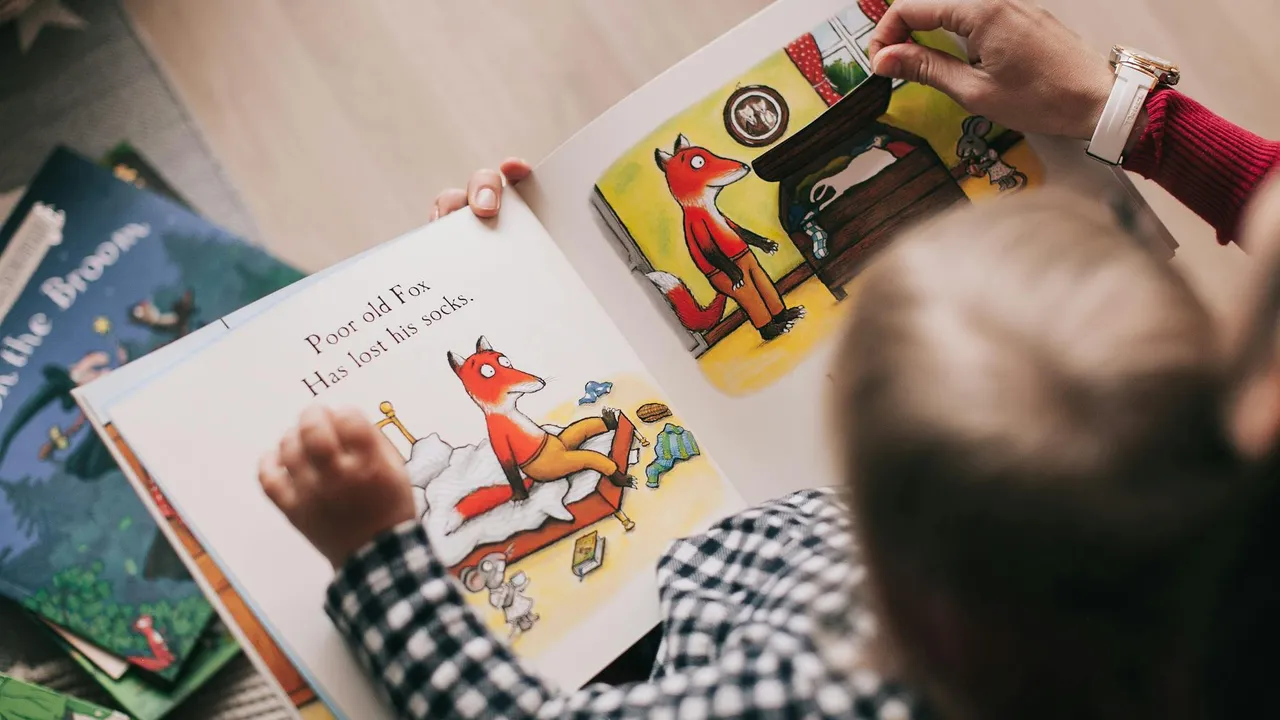
Before you commit to a 400-page journey, take the book on a quick test drive. This simple preview can save you from a reading slump.
- Read the First Page: Does the voice pull you in immediately? Do you like the narrative style?
- Flip to a Page in the Middle: Read a full paragraph. Is the prose dense and descriptive, or quick and dialogue-driven? This shows the book’s consistent style, not just the polished opener.
- Read the Back Cover or Inner Flap: Often, the marketing copy perfectly summarizes the book’s core conflict and tone.
As you do this, ask yourself: Is this writing lyrical and atmospheric, or conversational and punchy? Identifying the style and reading level here prevents surprise later.
I also love the “Media Pairing” test. Think of what you’d pair with the book’s atmosphere. Is this novel a moody, synth-heavy album and a glass of cold brew coffee? Or is it a classic film score with a cup of Earl Grey tea? If you can imagine the sensory experience around the book, you likely understand its vibe.
Finally, give yourself a “Time Investment Verdict.” Some books are slow burns. Epic fantasies often need a hundred pages to build the world. If you connect with the characters in those first chapters, stick with it. If you’re bored and annoyed by page fifty, it’s okay to put it down. Your reading time is valuable.
When Your Taste Changes: Embracing the Reading Journey
Have you ever stared at your bookshelf and felt completely disconnected from everything on it? I have. The books you loved last year might not speak to you now, and that’s perfectly normal. Your reading taste is a living thing that grows and shifts with you. It’s okay to not know what you like anymore; it often means you’re ready for a new chapter in your reading life.
When this happens, I recommend a reading reset. Think of it as a palette cleanser. You don’t need to commit to a 500-page epic. Try something small and different.
- A short story collection lets you sample many voices and styles in one book. It’s like a buffet for your brain.
- A graphic novel blends visual art with storytelling. The artwork can pull you into a narrative in a completely fresh way.
- An audiobook with a fantastic narrator turns the story into a performance. A great voice can make familiar genres feel new again.
Sometimes, universal favorites can be a safe launchpad for a reset. Books that almost anyone would like exist, and they’re useful for getting your reading momentum back. But they are a starting point, not the destination. A book that feels like it was written just for you will always be a more powerful and memorable match than a generally pleasant one. In fact, the best book recommendations often come from looking at your reading history, translating past joys into your next read. When these tailored picks reflect what you’ve already loved, they feel almost custom-made and can keep your reading momentum going.
When NOT to Try This
A reset should feel freeing, not like a chore. Here are a few rules to protect your reading joy.
- Don’t force yourself to finish a book you hate just because it’s popular or won an award. Your time is precious.
- Don’t rely solely on bestseller lists. They show what’s selling, not what will resonate with you personally.
- Don’t ignore your own mood. You might love deep philosophy, but if you’re exhausted, a light romantic comedy might be the better choice right now.
Book Club Discussion Starters for Your Next Find
When you finally find that next great book, you’ll want to talk about it. Here are three questions that go beyond “Did you like it?”
- Which character’s decisions did you find yourself arguing with, and why? This gets to the heart of character motivation and your own values.
- Did the ending feel satisfying based on the journey, or did it surprise you? This explores the book’s structure and whether it earned its conclusion.
- What’s one thing from this book’s world (a skill, a place, a feeling) that you wish you could experience? This taps into the book’s immersive power and what made its setting unique.
Recommended Products for Your Discovery Journey
The right tools can make exploring new books more comfortable and organized. Focus on these categories to support your habits, especially when looking for the best apps for discovering and tracking books.
- A comfortable reading light: Good, flexible lighting prevents eye strain during late-night discovery sessions.
- A durable book sleeve: Perfect for protecting library books or your current read on the go.
- A notebook dedicated to reading notes: Jot down titles, quotes, and what you did or didn’t like about a book. It becomes a personal reference guide.
- A digital subscription to a library app for audiobooks: This gives you low-risk access to countless audiobooks for your narrative reset.
- A set of page tabs for marking quotes: A simple way to visually flag passages that make you think, feel, or just sound beautiful.
Finding Your Next Favorite Book
The most important step is knowing yourself as a reader. When you pay close attention to what you truly love, you make much better book choices. A quick, step-by-step guide can help you discover your preferred genres and find your perfect reading niche. This approach sets the stage for a more tailored, enjoyable reading journey.
This is a skill, and like any skill, it gets easier the more you do it. I find the joy is in the journey as much as the destination, so happy reading.
Written by Chrestos Plácida. Chrestos is an avid book reader and enthusiast. He reads and reviews countless books every year and has started multiple book clubs around his community where he helps the readers decide on which book to read next based on his personal reading experience. He also has a degree in literature and an interest in the classics and history and has written many books reviews for online blogs and review sites.