
Graphic Novels for Kids: Why Comics Are Absolutely Real Reading
As a lifelong bibliophile who adores young adult novels, I’ve always cheered for graphic novels because they offer a unique, immersive way to experience stories. Graphic novels are real reading, and they can be the perfect gateway to a lifelong love of books for your child.
I’ll walk you through why this myth persists and how comics build crucial reading skills, just like traditional books. To give you a taste, here are a few of my top, trusted recommendations for young readers:
- “Smile” by Raina Telgemeier
- “Dog Man” by Dav Pilkey
- “El Deafo” by Cece Bell
What Exactly Are Graphic Novels, and Why Is There a Myth?
Simply put, a graphic novel is a complete story told with both words and sequential art. Think of it as a movie you read, where the pictures and text work together on every page to move the plot forward. There’s a common idea that because they have pictures, these books must be easy or less substantial than a wall of text. I see this worry a lot, especially from parents who want the best for their young readers. This section is here to set the record straight and champion graphic novels as the valid, incredible reading material they are.
More Than Just Pictures
To call it “just pictures” misses the whole point. Each page is a carefully crafted system. You have panels (the individual framed images), gutters (the spaces between panels where your imagination fills in what happens next), speech balloons for dialogue, and narration boxes for inner thoughts or descriptions. Your brain is doing a fascinating dance, connecting the visual clues with the written words to build the story moment by moment. Reading a graphic novel is an active process, like assembling a puzzle where you are in control of the pacing.
Where the “Not Real Reading” Idea Comes From
This myth has old roots. For a long time, comics were seen as cheap, mass-produced entertainment, not worthy of classroom time. There’s a persistent fear that if kids read them, they’ll only look at the pictures and skip the words. That view is outdated. It fails to see the complexity of the format. Today’s graphic novels are rich, diverse, and intellectually engaging. Focusing only on the text in a graphic novel is like listening to a song but ignoring the melody you’re missing half the story.
How Graphic Novels Build Stronger Readers
Let’s talk about the real, tangible benefits. Graphic novels provide a unique cognitive workout that purely text-based books do not. They develop a special set of literacy skills in an encouraging and accessible way.
Building Visual Literacy: Reading the World Between Panels
We live in a visual world. Graphic novels train readers to interpret facial expressions, body language, and visual metaphors. A slumped shoulder, a raised eyebrow, a change in color palette these all carry meaning. This skill of “reading” images is called visual literacy, and it’s as critical as understanding the tone of voice in a traditional novel. It helps kids understand people and stories in the real world, too.
Boosting Traditional Reading Skills
Graphic novels are powerful allies for building classic reading skills. New vocabulary is presented in context, supported by images that clarify meaning. They teach plot structure, sequence, and the vital skill of inference. The reader must often deduce what happened in the “gutter” between panels. For English Language Learners or reluctant readers, this visual support can be a game-changer. The combination provides a scaffold, building confidence that often leads readers to seek out more complex traditional novels, especially after they’ve gotten comfortable with some of the best comic book and graphic novel series.
A Gateway to Complex Themes
Never mistake the format for simple content. Graphic novels tackle profound themes like friendship, identity, loss, and social justice. They excel at making big, challenging topics accessible. A graphic novel about a historical event, like the Civil Rights Movement or a personal immigration story, can make history feel immediate and emotional. The combination of text and art can make challenging themes more accessible for young readers. It gives them a way in, fostering empathy and understanding through a format they connect with. For YA readers, titles with fast-paced plots and accessible writing styles can be especially inviting to reluctant readers. These approachable formats offer quick entry points that can spark ongoing interest.
Graphic Novels vs. Traditional Books: A Different, Not Lesser, Experience
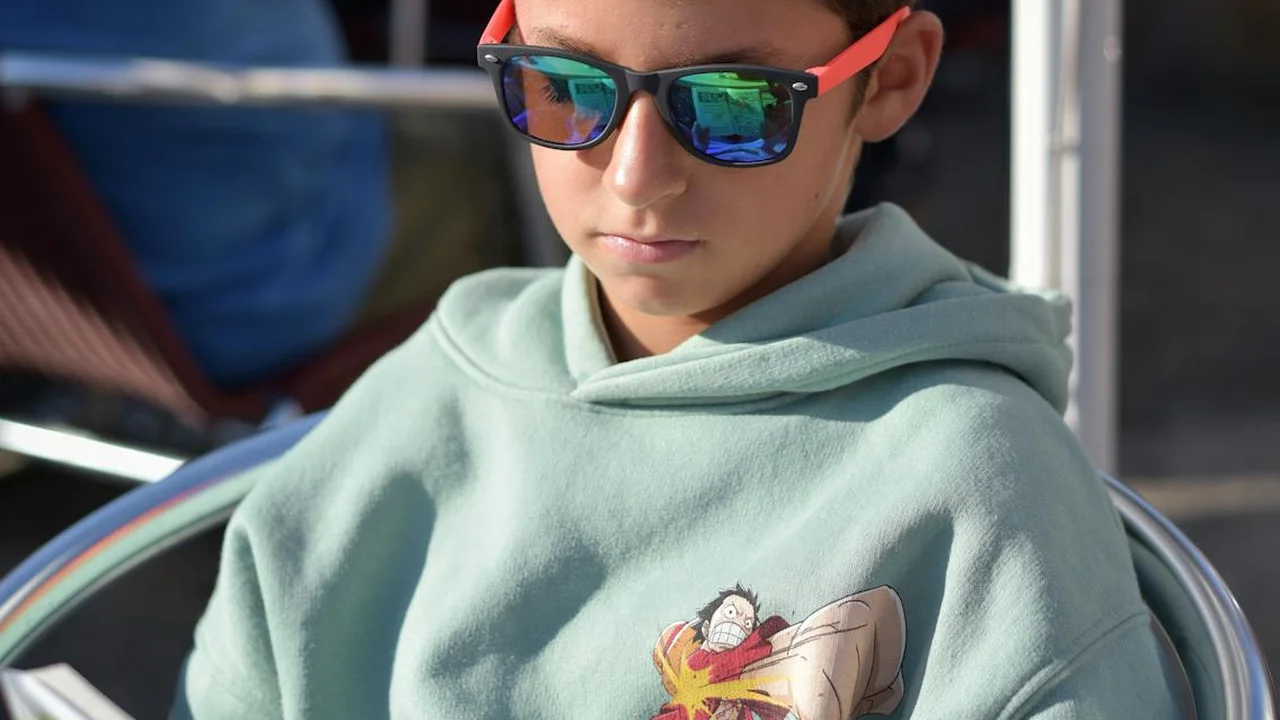
Comparing graphic novels to traditional books isn’t about which is better. It’s about understanding they are different storytelling tools. Think of it as choosing between listening to a symphony and a rock band. Both are incredible music. They just use different instruments to create their effect. Understanding these differences can also shed light on why readers enjoy different genres and have varied reading habits.
The Symphony of Prose
A traditional novel is like a symphony. Its strength is in interiority and the detailed, rhythmic flow of language. The author uses words alone to build a world inside your mind, describing a character’s deepest thoughts and the specific shade of a sunset. You get to imagine every detail based on the writer’s description. The pace is set by the sentences, and you linger in moments of beauty or tension.
The Rock Band of Graphic Storytelling
A graphic novel is like a rock band. It delivers an immediate, punchy emotional impact. You see a character’s shock or joy instantly. The reader controls the pacing, choosing to race through action sequences or linger on a poignant image. Visual symbolism carries layers of meaning—a cracked panel border can symbolize a broken relationship. Graphic novels are a valid form of literature because they require the creator to master two complex languages: words and visuals. It’s a dual art form, and reading it is a skill to be celebrated.
Fostering a Love for Stories: How Adults Can Help
Your support is the most powerful tool a young reader has. This isn’t about steering them toward a specific book, but toward the joy of the story itself. Many reluctant readers—whether tweens, teens, or adults—think they hate reading until they find a story that truly grabs them. Are the best books the ones that change their minds about reading?
Shifting Your Mindset as a Grown-Up
The first step is the hardest. We must let go of the invisible checklist in our heads. Forget about “reading levels” or what counts as “worthy” literature for a moment.
I look at it this way: a child choosing to read is a child choosing to engage with a narrative world instead of a dozen other distractions. That is always a victory. Celebrating a finished graphic novel is just as important as celebrating a finished chapter book. This positive reinforcement builds the identity of “I am a reader,” which is the foundation for a lifetime of reading.
Practical Steps to Support Young Readers
Once your mindset shifts, the actions feel natural and fun.
- Read together. Share a graphic novel aloud, taking turns with character voices. Pause on pages to talk about the art. Ask, “How do you think she’s feeling in this panel?” or “Why do you think the artist used such dark colors here?” This connects visual literacy with emotional intelligence.
- Use them as bridges. Graphic novels are fantastic connectors. Is there a movie about superheroes they love? Find a comic origin story. Planning a trip to a natural history museum? Try a graphic novel about dinosaurs or ocean exploration. This shows how stories in one format link to knowledge in another.
- Find great books. Quality matters. Your local children’s librarian is your best ally. You can also look for award winners like the Eisner Award or the Newbery Medal, which sometimes honors graphic novels like Jerry Craft’s “New Kid.” Reviews from trusted sources like Common Sense Media can help with age and content guidance.
Your role is not to judge their book, but to be curious about the world they’re exploring within it.
Where to Start: Fantastic Graphic Novels for Every Young Reader
With so many amazing options, here’s where I can help as your personal book matchmaker. Think of this as a friendly tour of my favorite shelves.
The Vibe Check: Finding the Right Graphic Novel
Graphic novels are as diverse as chapter books. The range is breathtaking.
Some kids want belly laughs from silly, exaggerated art. Another craves the intricate world-building of epic fantasy, shown in sweeping landscapes. A different reader might prefer a quiet, realistic story about friendship, with soft watercolor art. Across these styles, art picture book illustrators use color, line, and composition to tell the story beyond the words. These visual choices shape mood, pace, and perspective for young readers. There’s something for every personality.
As a guide, it’s good to know that some graphic novels tackle complex themes like loss, identity, or historical events. A quick glance at a summary or review helps you provide the right book at the right time for your young reader. If your reader enjoys I Survived and other historical disaster stories in comic form, you can explore similar graphic novels.
My Top Shelf Recommendations
| Book Title | Author/Artist | Great For Kids Who Love… | Why I Love It |
|---|---|---|---|
| Smile | Raina Telgemeier | Funny, relatable school and friendship stories. | It’s the book that hooked a generation on graphic novels. The honest, awkward memoir about braces and middle school feels like talking with a best friend. |
| Nimona | ND Stevenson | Action, subversive humor, and characters who defy easy labels. | It’s a whirlwind of shape-shifting, villainy, and heart. The art is dynamic, and the story cleverly plays with classic hero/villain tropes. |
| New Kid | Jerry Craft | Realistic stories about navigating different social worlds. | This book handles themes of microaggressions and code-switching with such warmth and humor. It’s both deeply specific and universally relatable about wanting to fit in. |
| Hilda and the Troll | Luke Pearson | Whimsical adventure, folk tales, and detailed, cozy artwork. | The art is stunningly beautiful, full of hidden creatures and Nordic-inspired landscapes. It’s a gentle, adventurous series perfect for sparking imagination. |
| Dog Man | Dav Pilkey | Slapstick comedy, puns, and fast-paced, easy-to-read chapters. | The consistent hit for reluctant readers. The humor is accessible, the action never stops, and the heartfelt messages about kindness shine through the silliness. |
| El Deafo | Cece Bell | Memoirs, stories about difference, and superhero metaphors. | A powerful and funny memoir about growing up with a hearing impairment. Using bunny characters makes the emotions accessible and the “superpower” theme is incredibly empowering. |
Especially for the Reluctant Reader
If turning pages feels like a chore, graphic novels can change the game. Look at “Dog Man” or “Smile.” The page feels friendly, not intimidating. Words are paired with pictures that give instant context and reward.
The text density is lower, but the narrative complexity can be very high. They practice the same core skills-following a plot, inferring meaning, understanding character motivation-but with a visual assist. Finishing a graphic novel builds the confidence to try another book, and that is the ultimate goal. That same momentum helps when a book feels hard or unenjoyable. Even tough reads can be finished with simple strategies. A series like “Dog Man” offers the huge comfort of a familiar, beloved world to return to, book after book.
Your Next Graphic Novel Adventure
The core takeaway is simple: graphic novels are real reading. Treating them as legitimate literature validates a child’s interests and can be a powerful tool for building literacy and a lifelong passion for stories.
Written by Chrestos Plácida. Chrestos is an avid book reader and enthusiast. He reads and reviews countless books every year and has started multiple book clubs around his community where he helps the readers decide on which book to read next based on his personal reading experience. He also has a degree in literature and an interest in the classics and history and has written many books reviews for online blogs and review sites.