
Kids’ Horror and the Psychology of Fear: Why Safe Scares Are So Good
Children often love scary stories because they get to feel big, brave emotions in a completely safe space. I’ve always loved young adult horror because it treats those fears with respect.
This article looks at why that safe thrill is so powerful for young readers. We will explore how spooky books help kids build emotional resilience, offer a few top book suggestions, and share tips for choosing the right scary story. My top picks to start with are:
- Goosebumps by R.L. Stine for first thrills
- Coraline by Neil Gaiman for eerie fantasy
- Small Spaces by Katherine Arden for atmospheric chills
Key Takeaways: The Safe Scare
- Scary stories let kids practice feeling afraid in a place where nothing can actually hurt them. It’s like a rehearsal for real-life worries.
- The “safety net” comes from clear rules in the story: good usually wins, the hero is a kid like them, and the ending makes sense.
- Books are the perfect tool because a child’s own imagination controls the “scary” parts, which often feels safer than watching intense visuals.
- This kind of fun fear can help build real courage, problem-solving skills, and even empathy.
- Your role is to help find stories with the right balance-validating their interest while guiding them toward age-appropriate chills.
The Science of the Shiver: Why Safe Scares Are Good for Growing Minds
Let’s talk about the deep science behind those dog-eared Goosebumps books. Think of a good kids’ horror story as a fear playground for the brain. It has all the exciting equipment-the suspenseful swings, the creepy-crawly slide-but with soft matting underneath. This controlled environment is where the real magic happens for a developing mind.
What’s the Fun in Being Frightened?
Why would a child choose to be scared? The answer is in the difference between thrill and threat. The adrenaline rush from a spooky chapter is exciting, not terrifying, because the child knows they are physically safe in their reading nook. Facing a fictional monster empowers a child, giving them a bravery victory they get to keep. There’s also a powerful social glue. Sharing scary books and gasping over the same plot twists with friends is a joyful, bonding ritual.
A Kid’s Brain on Fear: It’s Not the Same as Yours
Children don’t process scares like adults. For younger readers, the line between fantasy and reality is more like a dotted line. A story about a ghost in the attic can feel very immediate. This is why resolution is non-negotiable in kids’ horror. A child’s brain needs the closure of a solved mystery or a defeated villain to properly file the fear away as “fiction.” An ambiguous, unsettling ending that works in adult horror can leave a young reader genuinely distressed. This is just one reason why it’s important to focus on the genres that your child genuinely enjoys, rather than pushing for more realistic fiction when their passion lies elsewhere.
Imagination: The Best Special Effect
When a child reads, they are the director of their own mental movie. If a description of a shadowy figure gets too intense, their imagination can instinctively soften the edges. A book allows a child to control the volume of their own fear in a way a startling movie scene never could. It’s like watching a film with your eyes closed part of the time. This self-regulated visual experience makes reading a uniquely safe space to explore dark corners. That same idea extends to reluctant readers—tweens, teens, and even adults who think they hate reading. The best books meet them where they are and invite them in.
Building the Safety Net: What Makes a Kids’ Horror Story Feel “Safe”?
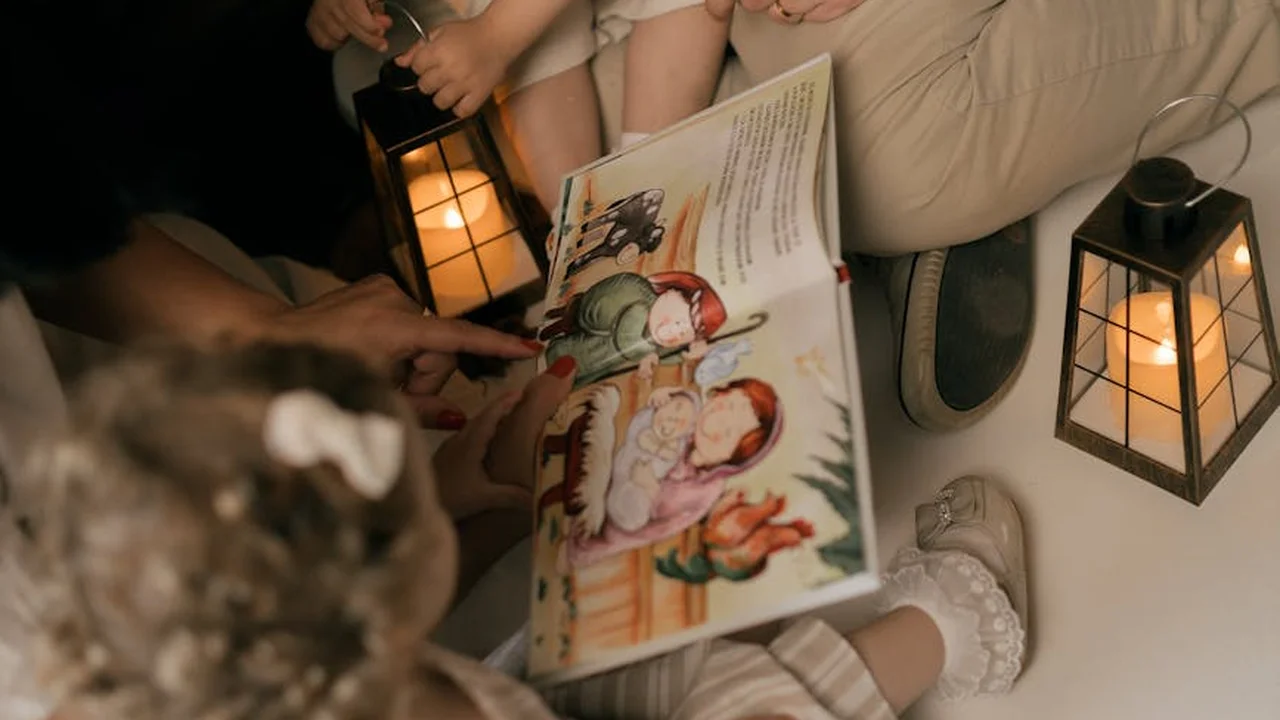
The best spooky stories for young readers have invisible guardrails. These boundaries make the rollercoaster ride thrilling instead of traumatic. You can spot these safety features in the very structure of the tales.
The Key Ingredients of “Just Right” Spooky
What are the hallmarks of a safe scare? First, look for a clear moral framework where kindness and cleverness are rewarded. The child protagonist is often resilient and resourceful, showing readers how to confront a problem. The ending typically provides justice, resolution, or a return to normalcy, reinforcing that the world is ultimately understandable. Contrast this with adult horror that might explore themes of helplessness, moral ambiguity, or pervasive dread—elements that don’t offer a young mind the same manageable framework.
From Goosebumps to Ghost Stories: Spotting Age-Appropriate Chills
How can you tell if a book is the right level of scary? Have a quick conversational guide. Read the back cover and a random page inside. Ask yourself: Is the threat fantastical (a talking doll) or realistically violent? Does the main character bear the emotional weight alone, or do they have friends or allies? The biggest clue is often in the resolution-if you can tell the story ends with the threat resolved, it’s likely built for kids. A note: some series like “Scary Stories to Tell in the Dark” or later “Fear Street” books by R.L. Stine have a sharper edge, often appealing to middle-grade or older readers ready for more tension, unlike Goosebumps or similar books geared for younger readers.
Fear as a Toolbox: Building Real-World Resilience
Navigating fictional fear is practice for the bigger feelings life will bring. When a character in a book manages their panic to find a solution, the reader mentally rehearses that skill. This process builds a child’s emotional vocabulary, giving them names and strategies for feelings like anxiety or dread. They also build empathy by fearing for a character, sharing in their worry and their relief. This controlled experience in a book is a low-stakes training ground for resilience, problem-solving, and emotional regulation, especially when engaging with deeply emotional, character-driven stories.
Your Guide to Perfectly Spooky Reads: Top Recommendations
So, we understand the ‘why’ behind a good scare. Now for the best part: finding the right book. This list mixes timeless classics with modern page-turners to match every reader’s taste, including those who love horror movies.
Masters of the Macabre: Authors Who Get It Right
A great spooky story often starts with a writer who knows their audience. These authors are masters of their craft.
- R.L. Stine is the king of fast, fun scares. His chapters end with cliffhangers, and his stories twist like a rollercoaster. I love how he mixes genuine chills with humor. His ‘Goosebumps’ and ‘Fear Street’ series are perfect for readers aged 8 to 14 who want a thrilling, speedy read.
- Mary Downing Hahn crafts atmosphere you can feel. Her ghost stories are less about gore and more about melancholy and memory. The chills come from a deep sense of place and loss. Her books, like Wait Till Helen Comes, are ideal for thoughtful readers aged 10 and up who enjoy a slower, emotional burn.
- Neil Gaiman builds mythic, wondrously dark worlds. He treats fear with a sense of ancient magic. His books, like Coraline or The Graveyard Book, feel like modern fairy tales. They are brilliant for younger teens and advanced middle-grade readers who appreciate beautiful language and big, haunting ideas.
Top Picks for Every Kind of Reader
This table is your starting point. Find a vibe that calls to you.
| Book | Author | Genre/Vibe | Why It’s a Great Safe Scare |
|---|---|---|---|
| Small Spaces | Katherine Arden | Autumnal Supernatural Mystery | A brave heroine, sentient scarecrows, and a race against time. The fear is real but the friendship and cleverness are stronger. |
| The Jumbies | Tracey Baptiste | Folklore-Based Adventure | Based on Caribbean tales, it features a fierce heroine facing a forest spirit. It’s scary but rooted in cultural storytelling and resilience. |
| City of Ghosts | Victoria Schwab | Friendly Ghost Adventure | A girl who can see ghosts visits Edinburgh. It’s more about eerie atmosphere and mystery than true terror, with a great best-friend dynamic. |
| Goosebumps: Night of the Living Dummy | R.L. Stine | Classic Campy Horror | Slappy the dummy is iconic for a reason. It’s silly, surprising, and delivers exactly the twisty, gross-out fun readers expect. |
| Wait Till Helen Comes | Mary Downing Hahn | Atmospheric Ghost Story | A masterpiece of slow-building dread. It explores grief and sibling rivalry through a haunting that feels chillingly possible. |
| The Graveyard Book | Neil Gaiman | Mythic, Gothic Coming-of-Age | A boy raised by ghosts faces the man who killed his family. It’s profound, witty, and ultimately a story about life, love, and choosing your path. |
| Scary Stories for Young Foxes | Christian McKay Heidicker | Dark Animal Fable | Think ‘Watership Down’ meets classic horror. The threats feel primal and intense, but the core is about survival and the bond between siblings. |
The Vibe Check: Who Will Love This Book?
Let’s zoom in on a few standouts.
Small Spaces by Katherine Arden: This book is the definition of cozy-creepy. The writing is vivid, making you feel the chill of the fog and the crunch of autumn leaves. It’s perfect for a kid who loves puzzles and nature with a dark side. The reading level is great for confident 4th graders through 7th grade. I wouldn’t hand it to a very sensitive reader, as the sense of being hunted is quite strong. Readers curious about how YA mysteries blend complex characters with suspenseful plots will find this a solid example in the best young adult mystery psychological thriller books. It shows that atmosphere and mystery can drive emotional depth alongside tense twists.
Wait Till Helen Comes by Mary Downing Hahn: Hahn’s style is clean, literary, and deeply atmospheric. It feels melancholy and mysterious. This book is for the contemplative reader who likes character-driven stories and doesn’t mind a slow, steady build of unease. It might frustrate a reader who only wants action, but it will captivate anyone who enjoys getting lost in a mood.
Time Investment Verdict
Small Spaces: This one starts with a bang and barely lets up. The pacing is quick and propulsive, ideal for a reader who might be hesitant about a longer book.
Wait Till Helen Comes: It builds slowly like a classic ghost story, so give it a few chapters. The first half establishes the family tension before the supernatural elements fully take hold.
The Perfect Pairing
For The Graveyard Book by Neil Gaiman: Pair this mythic tale with a cup of warm, spiced chai tea. The mix of spices-cinnamon, cardamom, clove-echoes the book’s blend of warmth, strangeness, and ancient magic. It’s the perfect companion for a story set among old stones and older spirits.
Book Club Chillers: For Talking It Out
Books like The Jumbies, The Graveyard Book, and Scary Stories for Young Foxes spark fantastic conversations. They tackle big themes within their thrilling frames.
Try these questions to start a talk:
- When did the main character feel most brave? Was it when they were fearless, or when they were scared but acted anyway?
- How did the friendships or family relationships in the story help the characters face their fears?
- If you were in the story, what choice would you have made differently, and why?
Curating the Chills: A Guide for Adults
Your role isn’t to block the scary path, but to walk alongside with a flashlight. Here’s how.
How to Be a Fear Guide, Not a Gatekeeper
The key is to focus on the child’s experience, not your own comfort level.
- Read together or check in at chapter breaks. Ask, “Is this the fun kind of scary or the too-much kind?” Their answer is the only one that matters.
- If a book becomes too intense, it’s okay to pause. Have a “comfort book” ready-a familiar, happy favorite to read next. This shows that reading is a choice they control.
- Talk about the story after. Asking “What would you have done?” makes them feel powerful and processes the fear.
Stories Around the World: Fear in Different Cultures
Fear is universal, but its monsters wear different faces. A jumbie from the Caribbean, a yōkai from Japan, or a troll from Norse myths all teach different lessons about their culture’s values and environment.
Exploring these stories is a wonderful way to expand a reader’s world. A book like The Jumbies by Tracey Baptiste is a perfect entry point. For slightly older readers, Aru Shah and the End of Time by Roshani Chokshi introduces figures from Hindu mythology in a thrilling adventure. It’s one of many fantasy novels that draw on myths from around the world.
Building a Spooky-Read Toolkit
Balance the scariness with coziness. It’s all about creating a safe, enjoyable ritual.
- A warm, soft blanket for curling up.
- A gentle booklight with a warm-toned bulb for reading under the covers.
- A fun bookmark to hold their place when they need a quick break.
- A special mug for a comforting drink (like that spiced chai or hot cocoa).
These items anchor the reading experience in physical comfort, making the journey into fear feel contained and safe.
Why Safe Scares Make Great Stories
Kids are drawn to horror because it lets them play with fear in a space where they feel brave and in charge. I’ve watched young readers grow more confident as they explore spooky tales, finding joy in those controlled chills. Some readers wonder if any books capture Stranger Things’ horror vibe for a young adult audience. Many of these titles blend eerie mystery with coming-of-age twists, inviting readers to test fear alongside friendships.
Written by Chrestos Plácida. Chrestos is an avid book reader and enthusiast. He reads and reviews countless books every year and has started multiple book clubs around his community where he helps the readers decide on which book to read next based on his personal reading experience. He also has a degree in literature and an interest in the classics and history and has written many books reviews for online blogs and review sites.