
Books About Food and Eating: Beyond Recipes to Meaning and Metaphor
Books about food, diet, and the metaphor of eating are a rich genre that uses meals, hunger, and cooking to explore deeper themes of identity, culture, love, and loss. I’ve always been drawn to these stories because they feed both your imagination and your curiosity.
This article will introduce you to different kinds of ‘food writing,’ from poignant novels to sharp nonfiction. I’ll share some of my personal favorites that use food as their central, powerful language.
- Fiction where cooking and meals reveal character and drive the plot.
- Memoirs that connect personal history to the flavors of a kitchen.
- Nonfiction examining our complex relationships with diet and body.
- Standout books where hunger becomes a stunning metaphor for desire or need.
Hungry for Practical Advice? Top Books on Diet and Weight Loss
If you’re looking for a clear plan, diet books tend to fall into a few main categories. Scientific books explain the biology of weight. Program-based books give you a strict set of rules to follow. Motivational books focus on the mindset behind changing your habits.
Program books are often the most popular. They promise structure. Titles like Autumn Calabrese’s Fixate Cookbook pair with specific workout programs. The ‘Eat Like a Bear’ concept, from a popular diet thread, inspired the book Eat Like a Bear! by Margie K. It’s built around a simple, repetitive eating pattern for quick results.
Top Recommendations Table
Vibe Check: What to Expect
The writing style in these books is usually direct and instructional. Think of a coach talking to you. The reading level is simple, often around 6th grade, so the focus stays on the steps. This is particularly evident in associations like I Can Read, Step into Reading, or Branches.
These books are great for someone who wants a clear map and likes checking off daily tasks. They can frustrate readers who are tired of strict rules or who feel anxious around “good” and “bad” food labels. The tone is often confident, which is either empowering or off-putting, depending on your view. If you’re wondering whether some books match your general reading habits and bring enjoyment, there are titles that blend structure with approachable storytelling. These can be the kinds of reads that feel both helpful and enjoyable.
Beyond the Plate: When Eating Becomes a Powerful Symbol
In novels, a meal is rarely just a meal. Eating can symbolize so much more. It can represent desire, a hunger for life or love. It can show consumption, how we devour experiences or are devoured by our obsessions. Writers use food to explore identity, guilt, comfort, and control.
So, what books use eating as a metaphor for desire or consumption? Here are a few where this symbolism is central to the story.
- Like Water for Chocolate by Laura Esquivel: Emotions literally pour into the food, affecting everyone who eats it. Passion, sadness, and longing are baked into every recipe.
- The Particular Sadness of Lemon Cake by Aimee Bender: A young girl can taste the emotions of the person who made her food. It’s a stunning metaphor for consuming the hidden feelings of our families.
- My Year of Rest and Relaxation by Ottessa Moshfegh: The narrator’s relationship with food (and prescription pills) is a brutal metaphor for self-consumption, numbness, and a hunger for oblivion.
- Megan (or Bunny) by Mona Awad: The surreal, often grotesque food imagery perfectly mirrors the protagonist’s hunger for belonging and the dark consumption of artistic identity.
A Perfect Media Pairing
For Ottessa Moshfegh’s My Year of Rest and Relaxation, I have a specific pairing. Read this novel with the hazy, detached sound of the album Strange Mercy by St. Vincent playing softly in the background. Have a glass of cold, plain seltzer water nearby. The album’s sharp, dissociative lyrics and experimental guitar mirror the narrator’s disconnected state, while the seltzer matches the story’s stark, empty, and fizzy sedation.
The Stories in Our Stew: Books on Food’s Cultural Weight
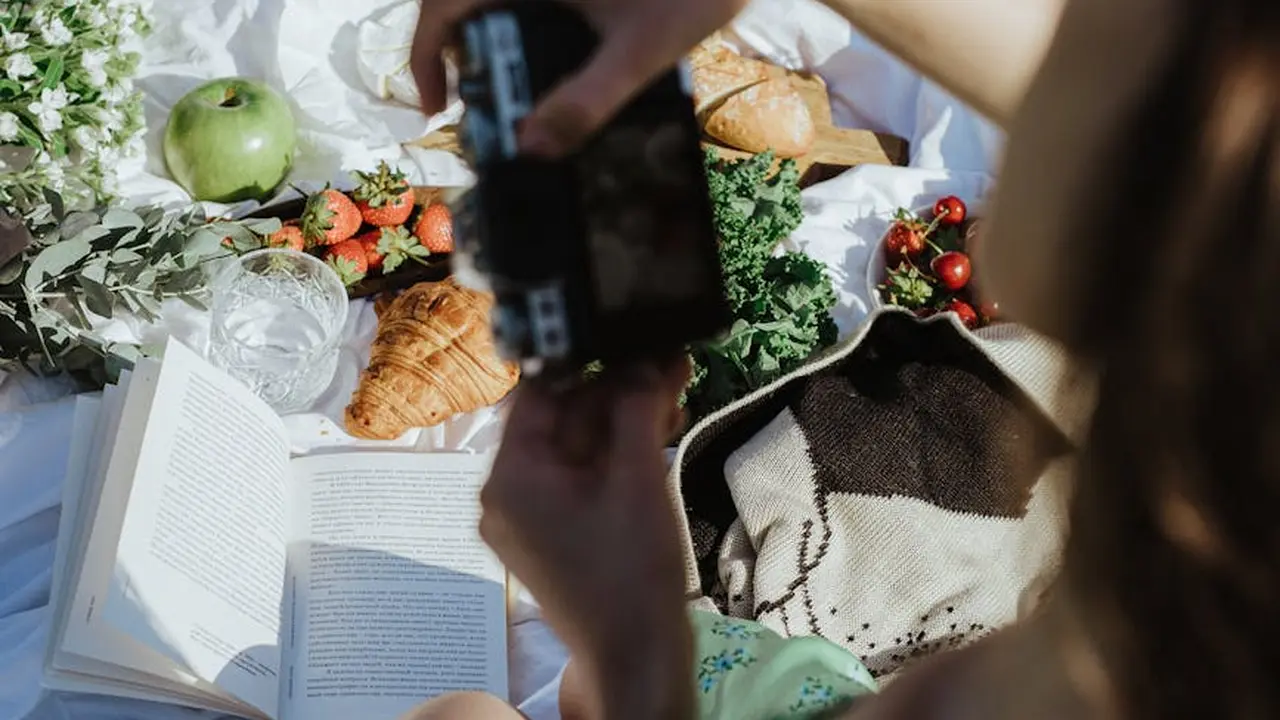
Food is memory, history, and identity. Memoirs and nonfiction in this space show how recipes carry the weight of immigration, family, and survival. If you’re asking for books that explore the cultural significance of food, you’re looking for stories where the recipe is a chapter of personal history.
I highly recommend starting with Ruth Reichl and Michael W. Twitty. Their styles offer different, equally valuable perspectives. Reichl, in books like Tender at the Bone, writes with a journalist’s eye and a daughter’s heart. Her stories about food are intimate, funny, and focused on personal and professional awakening. If you’re looking for narrative nonfiction and historical fiction recommendations, these authors offer a bridge between genres. They show how research and personal voice can illuminate history in fresh, engaging ways.
Michael W. Twitty, in The Cooking Gene, takes a monumental historical approach. He traces his ancestry through Southern foodways, connecting each dish to the trauma and resilience of the African American experience. His writing is academic, deeply personal, and powerfully evocative.
I appreciate Reichl for her accessible, storytelling warmth. I value Twitty for his groundbreaking work in reclaiming culinary history. Reading them together shows the full spectrum of food writing, from the personal memoir to the historical epic.
Some Caveats
Please be prepared for emotional depth. These books often weave personal or collective trauma right alongside family recipes. The joy of a perfect biscuit is frequently tied to stories of hardship, displacement, or loss. It’s this combination that makes them so powerful, but it’s good to know that going in—especially if you’re looking for other stories about trauma, found family, and deep emotional bonds.
Other great entries include Crying in H Mart by Michelle Zauner, a raw memoir on grief and identity through Korean food, and Food and the City by Ina Yalof, which captures personal stories from New York City’s food workers. These picks highlight choosing the right book for the right moment, with empathy guiding the way through grief and anxiety and toward moments of joy. They also set up thoughtful recommendations for readers seeking what to read next.
The Foundational Texts: Classic Reads on Diet and Nutrition
If you’re curious about the science and stories behind our food choices, starting with a few landmark books can be illuminating. These texts have shaped public conversation, often sparking as much debate as agreement. Reading these foundational works provides a shared language and historical context for understanding modern food debates.
Landmark Books to Build Your Understanding
- The Omnivore’s Dilemma by Michael Pollan. This book follows the journey of four different meals, from an industrial fast-food burger to a meal Pollan hunts and gathers himself. It’s a compelling investigation of our food systems that reads like a detective story. Pollan doesn’t just tell you what to eat; he shows you where your food comes from, which makes his later advice feel earned.
- In Defense of Food by Michael Pollan. Building on the investigation of his previous book, Pollan distills his findings into a simple, powerful mantra: “Eat food. Not too much. Mostly plants.” He explains what he means by “food” (hint: it’s not the processed stuff in packages with health claims) in a clear, persuasive way.
- Food Rules by Michael Pollan. This is the pocket-sized, practical guide spun from his other works. It’s a series of short, memorable rules like “Don’t eat breakfast cereals that change the color of the milk.” Think of it as a quick-reference manual for everyday eating decisions.
- Why We Get Fat by Gary Taubes. This book presents a provocative challenge to conventional wisdom on diet and weight gain. Taubes, a science journalist, argues forcefully that it’s the carbohydrates in our diet, not overeating or lack of exercise, that is the primary driver of obesity. This book is a cornerstone of the low-carb, high-fat diet movement and remains intensely debated in nutrition circles.
Author Recommendations & Lasting Impact
When exploring this niche, the author’s background matters. Michael Pollan is a professor of journalism, not a nutritionist or doctor. His strength is synthesis and narrative-he takes complex information and makes it engaging for a general reader. Gary Taubes is also a journalist who specializes in science controversy; his work is deeply researched but represents one side of a major scientific argument. Reading them gives you a feel for the major “camps” in diet philosophy.
If Pollan’s style resonates with you, his other books like “Cooked” or “The Botany of Desire” offer more of his thoughtful, narrative-driven exploration. For a different, more clinical perspective, you might look to authors with medical credentials, though their writing can be less story-driven. These are especially insightful when looking for books that explore medical ethics, race, and contributions to science.
Time Investment Verdict
For a dense classic like Gary Taubes’s “Why We Get Fat,” pace yourself. The first few chapters lay out his historical and scientific argument in detail, which can feel textbook-heavy. Pushing through that foundation is key, as the later chapters apply the theory to practical diet advice. You might read a chapter at a time, rather than trying to finish it in one sitting.
A common question I get is: “What are classic texts on diet and nutrition?” The books listed above are exactly that-the influential reads that started conversations and changed how many people think about their plates.
Novels Where Food is the Main Character
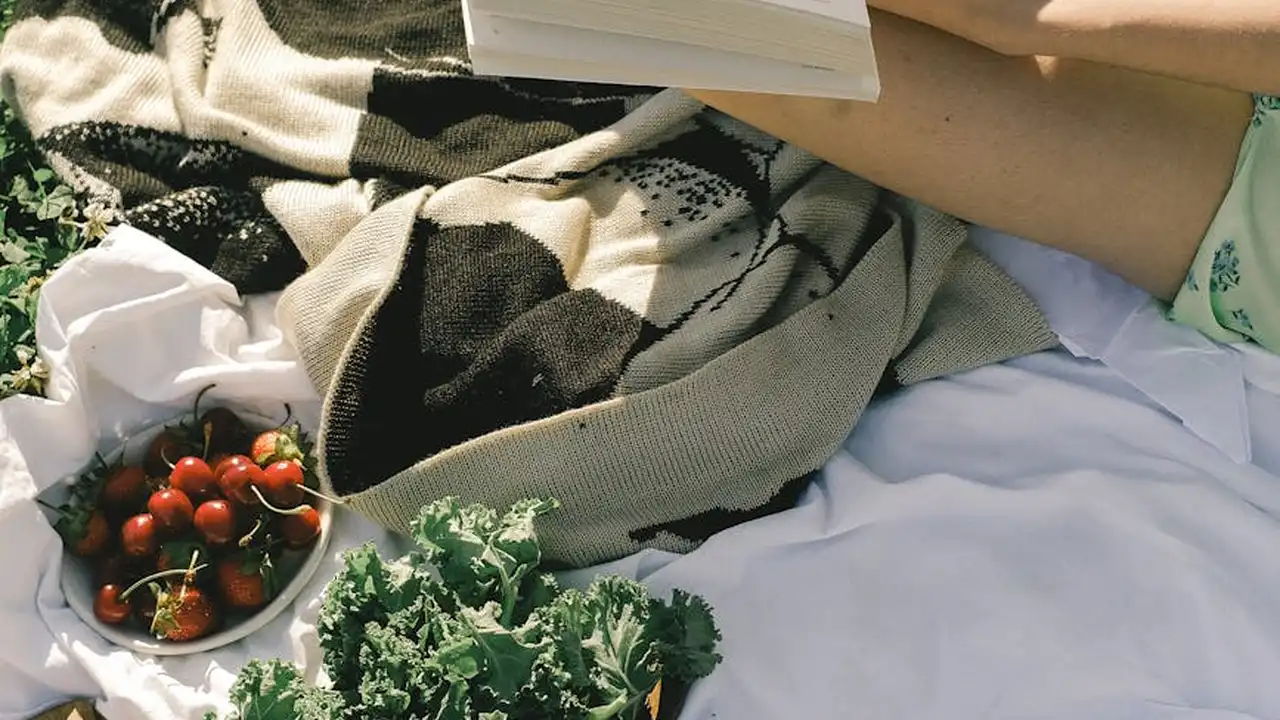
In fiction, food is rarely just sustenance. It can be a language of love, a symbol of cultural identity, a trigger for memory, or a manifestation of hunger that goes far beyond the physical. These novels use meals and cooking as a central plot engine, making you almost taste the words on the page.
A Curated Selection of Flavorful Fiction
- Like Water for Chocolate by Laura Esquivel. This magical realist novel is served in monthly installments, each chapter beginning with a recipe. The protagonist, Tita, channels her suppressed passions into her cooking, with literal, life-altering effects on anyone who eats her food. It’s a feast of romance, family duty, and sensory description.
- The Particular Sadness of Lemon Cake by Aimee Bender. On her ninth birthday, Rose Edelstein discovers she can taste the emotions of the person who made her food in every bite. This unique curse/blessing becomes a way for her to navigate her family’s hidden sorrows. It’s a strange, beautiful novel about the things we try to hide and what we inevitably reveal.
- The Kitchen God’s Wife by Amy Tan. While not exclusively about food, the shared meals in this novel are pivotal. They are the moments where secrets are kept and revealed between mothers and daughters, and where the rich history of Chinese culture is passed down. The descriptions of food are intimately tied to memory, loss, and love.
- Heartburn by Nora Ephron. This hilarious, sharp novel about a crumbling marriage is punctuated by recipes and musings on food. The narrator is a food writer, and her relationship with cooking reflects her attempts to make sense of her messy life. It’s witty, bitter, and comforting all at once, like a perfect vinaigrette.
| Title & Author | Central Food Theme | Perfect For Readers Who Love… | Pacing & Vibe |
| Like Water for Chocolate by Laura Esquivel | Food as magical, emotional conduit | Magical realism, family sagas, lush romance | Episodic, sensual, passionately dramatic |
| The Particular Sadness of Lemon Cake by Aimee Bender | Food as an unwelcome truth-teller | Quirky contemporary fiction, metaphors for empathy | Thoughtful, melancholic, quietly moving |
| Heartburn by Nora Ephron | Food as witty survival tool | Sharp humor, personal essays, relatable heartbreak | Fast, funny, dialogue-driven |
Book Club Discussion Starters (for *Like Water for Chocolate*)
- How does the structure of the book-organized by months and recipes-affect your experience of the story? Does it feel more like a diary, a cookbook, or something else?
- The magic in the novel is treated as a simple fact. How do Tita’s magical culinary gifts change your understanding of her emotions and the constraints placed on her by tradition?
- Discuss the different types of “hunger” presented in the novel: for love, for freedom, for recognition. Which character’s hunger did you find most compelling?
And yes, to answer the frequent question, “Are there novels where food is a central theme or symbol?”-absolutely. The novels above are wonderful examples where every bite carries meaning far beyond flavor.
What to Read Next: Your Personal Matchmaking Guide
Choosing your next food book can be as personal as planning your next meal. Let me help you find a perfect match based on what you already enjoy. If you’re looking for your next favorite book, take this personalized book recommendation quiz to find it.
Find Your Next Great Read
- If you loved the animal science in ‘Eat Like the Animals’…
- Try ‘Book Eat Like a Fish’. It explores sustainable food sources from the ocean with a similar blend of science and hopeful solutions.
- Also try ‘The Dorito Effect’. It looks at the science of flavor and how modern food hijacks our natural instincts, a fascinating companion read.
- If you preferred the personal, meditative style of ‘Life Matters, So Eat Like It’…
- Try ‘Breathe Like a Bear Book’. While focused on mindfulness breaths, its gentle, ritualistic approach to well-being pairs beautifully with mindful eating.
- Also try ‘Animal, Vegetable, Miracle’ by Barbara Kingsolver. It’s a gorgeous memoir about a family eating only locally for a year, full of heart and insight.
- If the metaphor of eating in ‘The Particular Sadness of Lemon Cake’ captivated you…
- Try ‘Like Water for Chocolate’ by Laura Esquivel. Each chapter starts with a recipe, and emotions literally translate into the food, creating magical results.
- Also try ‘The Book of Form and Emptiness’ by Ruth Ozeki. It features a boy who hears the voices of objects, including food, in a story about grief and connection.
- If you want more cultural memoir mixed with recipes…
- Try ‘Crying in H Mart’ by Michelle Zauner. It’s a powerful, moving story about grief, identity, and the connection to family through Korean food.
- Also try ‘Home Cooking’ by Laurie Colwin. These are charming, cozy essays about the simple joy of cooking and eating at home.
When to Pause and Choose a Different Path
Not every book is for every reader, and that’s perfectly fine. Your comfort and well-being are more important than any reading list. Here’s when you might want to skip a suggestion. Some people finish challenging reads by using small, practical strategies, while others choose to pause or skip when a book isn’t enjoyable. Either approach is valid and supports your reading journey.
- If rigid meal plans or calorie counting trigger anxiety, avoid strict diet or “program” books. The constant rules can feel oppressive. Explore the cultural memoirs or science books instead, which focus on understanding rather than restriction.
- If you’re in a sensitive place with body image, approach any book promising transformation or a “before and after” story with caution. The narrative can sometimes be unintentionally harmful. Opt for books about food history or farming for a more neutral perspective.
- If you want pure escapism, a dense scientific deep-dive might feel like homework. Save it for later and pick up a novel where food is part of a rich story, not the subject of study.
Building Your Foodie Bookshelf: Recommended Products
Reading about food is an experience. These simple items can make that experience even richer and more personal, turning your reading time into a true ritual.
- A Dedicated, High-Quality Notebook: This is my number one suggestion. Use it to jot down recipes that appear in memoirs, note beautiful descriptive passages about meals, or reflect on how a book’s ideas change your view of your own plate. A sturdy, well-bound notebook becomes a companion to your reading journey.
- A Comfortable Reading Lamp for Kitchen or Nook Light: So many food books invite slow, contemplative reading. A warm, focused lamp near your favorite chair or even at the kitchen table creates the perfect cozy atmosphere to get lost in a story about a Parisian bakery or a Sicilian kitchen.
- A Simple Tea Infuser or French Press: Pairing a hot drink with a food book is a wonderful sensory combo. A good infuser lets you brew loose-leaf tea to sip while reading a Japanese memoir. A French press makes perfect coffee to accompany a book about coffee culture. It engages another sense, making the read more immersive.
- Page Flags or Gentle Book Darts: You’ll want to mark recipes, stunning paragraphs, or facts you want to remember. A pack of thin, non-damaging page markers lets you do this without hurting your book’s pages, keeping your place for future reference.
Where to Take Your Appetite Next
I think the best books on food do two things at once: they celebrate a specific taste or tradition, and they use that celebration to examine something larger about ourselves. Let your curiosity guide you to the stories that sound most fulfilling, whether you’re hungry for a recipe, a memoir, or a powerful symbol. If you’re wondering what to read next based on your own preferences and tastes, a personalized suggestion can point you toward the perfect culinary tale. Your next book can feel like a well-paired course, matching your cravings for cuisine, memoir, or symbolism.
Written by Chrestos Plácida. Chrestos is an avid book reader and enthusiast. He reads and reviews countless books every year and has started multiple book clubs around his community where he helps the readers decide on which book to read next based on his personal reading experience. He also has a degree in literature and an interest in the classics and history and has written many books reviews for online blogs and review sites.