
Living Well, Longer: Books Like ‘The Blue Zones,’ ‘Lifespan,’ and ‘Atomic Habits’
Books like The Blue Zones, Lifespan, and Atomic Habits have reshaped how I think about health and daily life, making me want to share their best companions. If you enjoyed the science-backed hope for a longer, healthier life in those books, you’ll love the reads I’ve curated that offer more practical steps, deeper science, and fresh perspectives on transformation.
This article highlights books that match the insightful, actionable spirit of your favorites. I’ll explore titles that explain the biology of aging, offer realistic habit frameworks, and tell inspiring stories of personal change. My top suggestions to start with include:
- Outlive: The Science and Art of Longevity by Peter Attia, MD – A deep, tactical guide to extending your healthspan.
- Tiny Habits: The Small Changes That Change Everything by BJ Fogg, PhD – A kinder, complementary approach to building habits.
- The Comfort Crisis by Michael Easter – An engaging adventure story that questions modern health assumptions.
Your Next Great Read: A Quick-Start Table
If you’re ready to find your next book but want the big picture first, this table is for you. I’ve matched the core ideas from your favorites to books that build on them perfectly.
| Book Title | Author | Focus Area | Why You’ll Like It |
|---|---|---|---|
| Mindset | Carol S. Dweck | Psychology & Self-Improvement | This is the perfect mental partner to Atomic Habits. If habits are the ‘how,’ your mindset is the ‘why.’ It gives you the belief system to make those tiny changes last. |
| Tiny Habits | BJ Fogg | Habit Formation | Loved Clear’s systems? Fogg offers a wonderfully simple, complementary formula. It feels less about structure and more about emotion, which makes starting new habits feel surprisingly easy. |
| Why We Sleep | Matthew Walker | Longevity Science & Health | Think of this as the missing pillar. Blue Zones and Lifespan cover diet and community, but Walker makes an unshakeable case that sleep is the non-negotiable foundation for all of it. |
| Breath | James Nestor | Holistic Health | This book takes one single, powerful factor mentioned in broader longevity reads and explores it deeply. It’s a fascinating, real-world journey that will change how you breathe every day. |
| The Power of Habit | Charles Duhigg | Habit Psychology | If Atomic Habits is your practical workshop, this is the engaging origin story. Duhigg uses brilliant stories to explain the science of how habits work in our lives and societies. |
| The Comfort Crisis | Michael Easter | Personal Transformation | This book channels the real-world adventure of Blue Zones with the self-improvement angle of Atomic Habits. It’s a thrilling read that challenges how modern comfort might be holding us back. |
If You Loved ‘Atomic Habits’ for Building Better Systems
James Clear gives you the brilliant blueprint. These books help you understand the architect (your mind) and offer different, equally useful tools for construction.
For the perfect psychological companion, reach for Carol Dweck’s “Mindset.” Her concept of a ‘growth mindset’ is the fuel for your habit engine. It teaches you to see challenges as opportunities to grow, which makes sticking to those small, daily changes feel possible and even exciting. Many top self-help titles build on this idea, linking mindset to daily habits and life satisfaction. Exploring them can deepen your progress with practical steps.
For a different methodology, BJ Fogg’s “Tiny Habits” is exceptional. While Clear provides a masterful system, Fogg emphasizes emotion and simplicity. His method feels less about tracking and more about celebrating tiny wins to create positive feelings.
Charles Duhigg’s “The Power of Habit” rounds out the trio. It’s the narrative backbone to the subject. Think of it this way: if Clear’s book is a hands-on coaching session, Duhigg’s is a captivating documentary series on the history and impact of habits.
Authors in the Habit and Mindset Space
Each author in this area brings a unique voice. Knowing their style helps you pick the right book for your mood.
James Clear is my personal favorite for practical application. His writing is like a clear, encouraging guidebook. He uses relatable stories and straightforward steps that I can immediately picture myself doing.
Carol Dwegg writes with the authority of a pioneering researcher, but her tone is steady and persuasive. Charles Duhigg is a master storyteller; his writing is journalistic and draws you in with fascinating case studies. If you want direct, tactical advice, go for Clear. If you want foundational theory wrapped in great stories, Duhigg is your pick. For a gentle, evidence-based push to change your thinking, Dweck is perfect.
If You Were Fascinated by ‘Lifespan’ and ‘The Blue Zones’
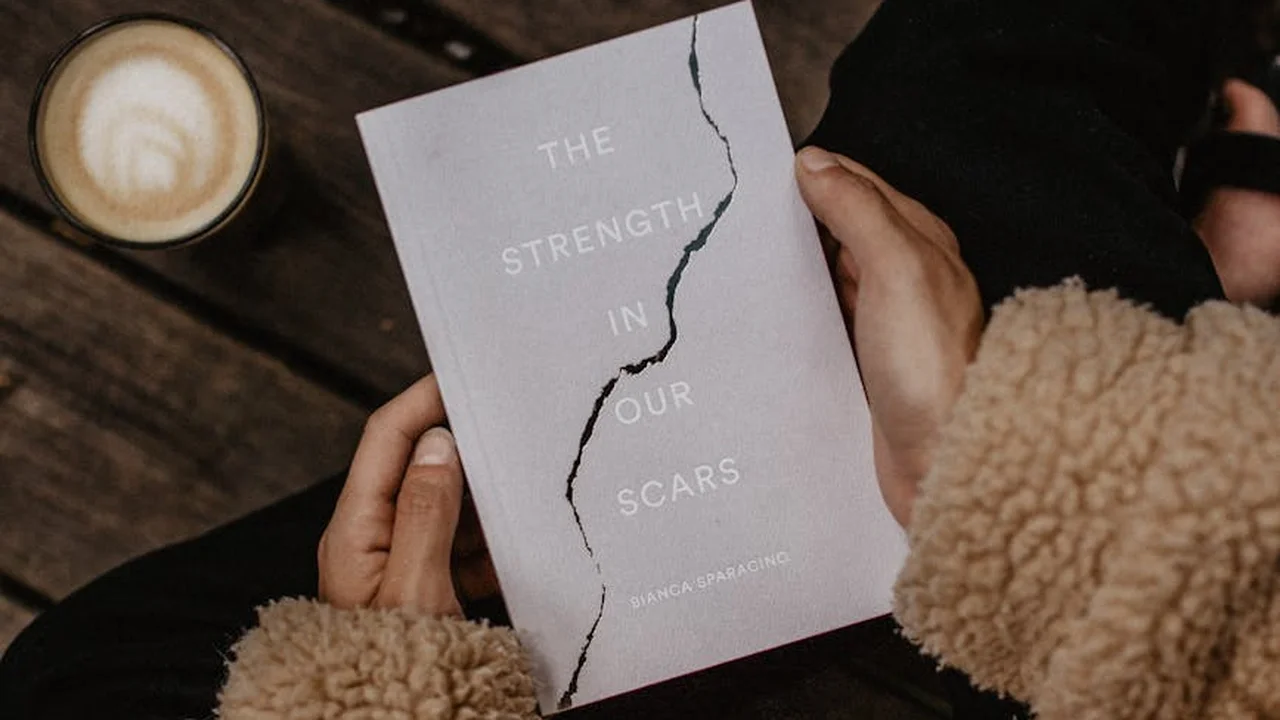
One book gives you the cutting-edge science, the other shows you the living proof. These recommendations continue that balance, zooming in on specific, powerful elements of a long, healthy life. They also help cultivate personal power, strength, and disciplined habits that reinforce resilience in daily life. If building resilience and steady routines is your aim, these books offer practical steps you can apply right away.
Matthew Walker’s “Why We Sleep” is the logical and essential next step. David Sinclair explains the cellular mechanisms of aging, and Dan Buettner shows you the lifestyle. Walker brilliantly argues that sleep is the bedrock that supports both. It will convince you that prioritizing sleep is as important as any diet or exercise plan you read about.
For another deep dive into a single factor, James Nestor’s “Breath” is phenomenal. It reads like an adventure story, exploring how something we do 25,000 times a day is often done wrong, and how changing it can improve health profoundly.
Consider “The End of Alzheimer’s” by Dr. Dale Bredesen if the preventative science in “Lifespan” gripped you. It presents a detailed, holistic protocol for brain health, applying the same principle that many factors contribute to our health span.
What should I read after ‘The Blue Zones’ for more real-world inspiration?
If you loved traveling the world with Dan Buettner to meet vibrant communities, you might enjoy books that offer a similar sense of place and cultural wisdom.
“Ikigai: The Japanese Secret to a Long and Happy Life” by Héctor García and Francesc Miralles gives you a focused, beautiful look at one specific philosophy from Okinawa, a Blue Zone itself. It’s part practice, part cultural insight.
For a narrative-driven choice, “The Island of the Sea Women” by Lisa See is historical fiction. While it’s a novel, it immerses you in the matriarchal, tight-knit community of female divers (haenyeo) on Jeju Island, whose traditional way of life echoes the social bonds and purpose found in Blue Zones.
Books for Total Personal Transformation
After mastering habits and learning the science, you might feel ready for a deeper shift. The books in this section go beyond routines and biology. They focus on emotion, purpose, and vulnerability as the foundation for a truly healthy life. They are among the best books for understanding psychology, society, and personal development. Reading them can show how inner growth translates into outer change.
These books ask you to examine who you are, not just what you do.
What are books similar to ‘Atomic Habits’ for a complete life overhaul?
You want a total change, not just a better morning routine. This is about designing your entire life. Look for books that examine your values, energy, and connections.
I recommend Brené Brown’s “Daring Greatly.” It feels like the essential next step. While Atomic Habits gives you the system, this book gives you the courage to use it fully. It argues that embracing vulnerability and living “wholeheartedly” is the ultimate form of personal health. It changed how I think about success.
For a systemic approach, consider “Designing Your Life” by Bill Burnett and Dave Evans. It uses design thinking to help you build a fulfilling life. It’s practical, with exercises that feel like workshops for your entire future. If ‘Atomic Habits’ is about tweaking your current path, this book is about mapping a new one. It’s one of the popular self-help and nonfiction titles that can reshape how you think.
Sometimes, the most powerful lessons in transformation come from stories. For a radical, internal shift in perspective, I often think of the young adult novel “Out of My Mind” by Sharon M. Draper. It’s fiction, but the protagonist’s journey to make her voice heard is a profound look at internal strength. Reading a character’s complete transformation from the inside out can be just as motivating as any self-help guidebook.
How to Choose Your Perfect Next Book
With so many great options, how do you pick? I use this simple, four step guide. It starts with checking in with yourself.
-
Ask yourself what you’re craving. Are you in the mood for a clear, actionable plan? Do you want big, fascinating ideas about the future? Or are you looking for an inspiring story of personal change? Your answer points you to the right section: Habits, Longevity, or Transformation.
-
Match your mood to the books. Use the notes above. If you want science, lean into the longevity titles. If you feel ready for emotional work, choose a transformation book. It’s okay if your choice surprises you.
-
Think about how you want to read. Many of these science and self-help books have superb audiobook versions. I love listening to them on a walk; it turns exercise into learning time. For factual content, a clear, calm narrator is perfect. (If you love immersive audio fiction for thrills, that’s a different search, like looking for “audio books like Lights Out,” or [finding books that match your specific reading habits](https://suggestmebook.com/what-are-some-books-that-match-my-general-reading-habits-and-enjoyment-of-books).)
-
Just start with one chapter. There is no pressure to finish a book in one sitting. Dip a toe in. Read the introduction. See if the author’s voice clicks with you. Often, that first chapter is all it takes to know you’ve found your next great read. If it doesn’t, you can always move on to another book.
Next Reads for Health and Transformation
The books we discussed offer different paths—from scientific research and practical habits to societal patterns—toward the same goal of living better.
Your next great read depends on what you’re looking for right now: a direct action plan, a deeper scientific understanding, or a story of real-world inspiration to guide your own journey. Are you curious whether the best book recommendation websites and engines can truly find your next read? This is where personalized suggestions come into play as you explore what’s ahead.
Written by Chrestos Plácida. Chrestos is an avid book reader and enthusiast. He reads and reviews countless books every year and has started multiple book clubs around his community where he helps the readers decide on which book to read next based on his personal reading experience. He also has a degree in literature and an interest in the classics and history and has written many books reviews for online blogs and review sites.