
Curated Book Picks for Four-Year-Olds and Fourth Graders by Age and Grade
As a lifelong book lover and recommender, I find pure joy in matching young readers with stories that feel just right for them. My best book recommendations for four-year-olds and fourth graders blend timeless classics with new favorites, all chosen for their age-perfect appeal and ability to spark a lasting love of reading.
This guide will walk you through my personal selections for each age and grade, explaining why these books work so well. To give you a quick taste, here are some top suggestions we will explore:
- For four-year-olds: Playful picture books with rhythm, rhyme, and bold art that invite interaction.
- For fourth graders: Captivating chapter books with relatable characters and plots that build reading independence.
- Key differences in themes and complexity between these two important reading stages.
Key Takeaways: Your Cheat Sheet for Great Kids’ Books
Before we explore specific books, here is the heart of the advice in a quick list.
- Four-year-olds thrive on interactive, rhythmic picture books meant to be read aloud. The shared experience is what builds a love for stories.
- Fourth graders are ready for engaging chapter books that build independent reading confidence. They are finding their own tastes and can handle more complex plots.
- Always consider a child’s current mood and interests before their exact age or grade. A reluctant fourth grader might adore a funny graphic novel, while a bookish four-year-old might sit for longer tales.
- Don’t be afraid to step outside level recommendations. Strong 3rd grade book recommendations can offer a confidence boost, and some 5th grade book recommendations might be perfect for an advanced reader.
Four-Year-Olds: Choosing Books for Big Imaginations
Four is a wonderful, energetic age. These readers have growing vocabularies, endless curiosity, and a pure love for repetition. They learn through play and connection.
Look for books with these features:
- Sturdy pages that can survive loving (and not-so-gentle) handling.
- Bright, clear illustrations that tell a story of their own.
- Predictable patterns or rhymes that let them guess what comes next.
- Relatable, simple themes like making friends, dealing with feelings, or pure silliness.
Time Investment Verdict
Most excellent picture books are designed for 5-15 minute reading sessions. This is perfect for a four-year-old’s attention span and allows for multiple reads in one sitting (which they will absolutely request). Many of the best picture books about love center on affection for young children. These themes help kids feel secure and connected.
Top Recommendations for Age 4
If you’re searching for books by age level for toddlers, know that books for four-year-olds are a beautiful bridge. They keep the interactive and visual elements toddlers love but add more narrative and vocabulary, preparing them for preschool. For kids aged 4-8, consider titles that focus on self-love and confidence. These books help children build self-esteem as they navigate new feelings.
The Vibe Check: What Makes a Picture Book Click
The best picture books feel cozy and playful. They are visually stimulating packets of joy, often wrapped in silliness and interactive elements.
The writing uses simple, melodic sentences that are a pleasure to speak. The rhythm of the words is as important as their meaning. These books are perfect for the child who loves to point at pictures, ask “what’s that?” on every page, and request “again!” the moment you finish.
A book might be less suitable if a child currently prefers very fast-paced action or books with almost no text. The magic here is in the shared, slow-ish exploration.
Author Spotlight: Picture Book Creators We Adore
Some authors are cornerstones of this age for good reason.
- Mo Willems is a master of hilarious dialogue and expressively drawn characters (see Pigeon, Elephant & Piggie). His books feel like a conversation.
- Anna Dewdney crafted perfect rhyming tales about big, recognizable emotions that children experience daily.
- Oliver Jeffers blends whimsical art with stories that are both heartfelt and quietly funny, often about friendship.
Some Caveats: A few wonderful books might gently introduce complex feelings like worry, anger, or sadness. These aren’t negatives. They provide a safe, shared space to talk about those feelings with a caring adult.
Fourth Graders: Finding Chapter Books That Stick
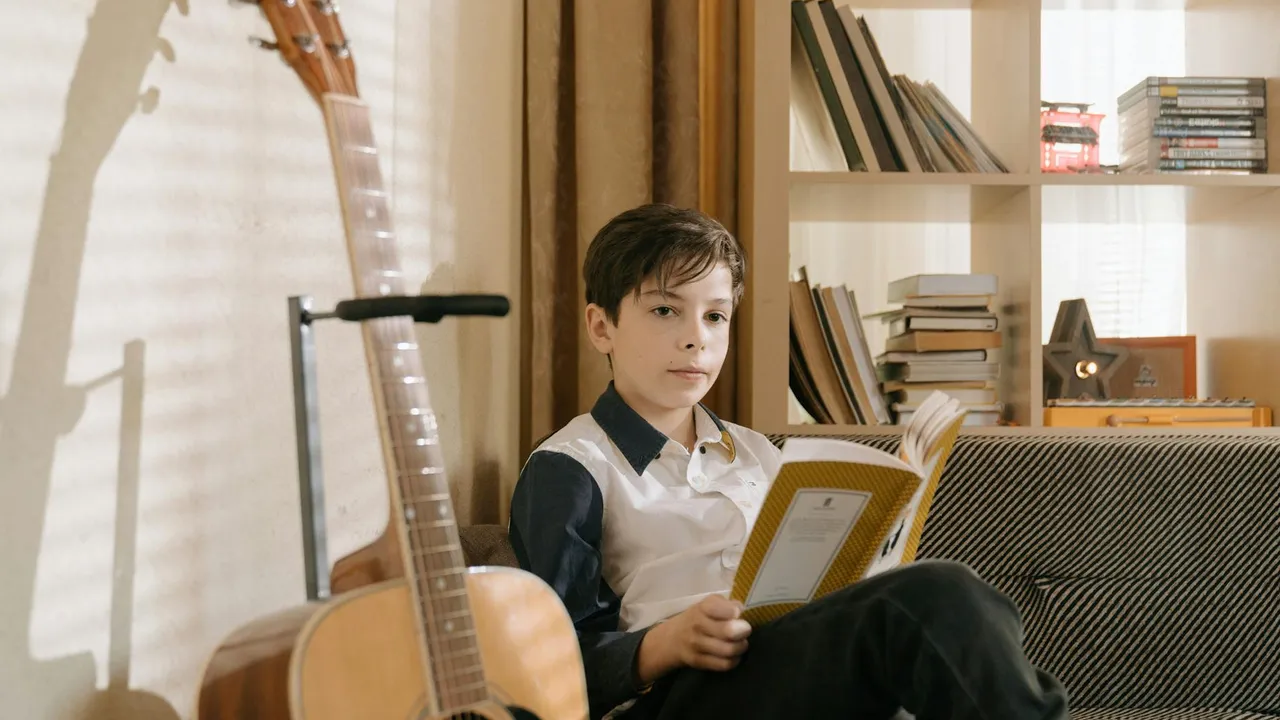
A fourth grader is typically 9 or 10. They are reading independently, exploring new genres, and forming strong opinions about what they like. This is a golden age for series and getting truly lost in a book world.
In simple terms, their reading level is shifting. They are moving from shorter, straightforward chapter books into narratives with subplots, richer character development, and more sophisticated vocabulary that is explained by the story itself.
Time Investment Verdict
A good book for this age often has a gripping first chapter. If a reader isn’t intrigued or hooked after about 20 pages, it’s perfectly okay to put it down and try another one. At this stage, protecting the joy of reading is the priority, especially when picking books for reluctant readers.
Top Recommendations for Fourth Grade
And yes, chapter books are absolutely appropriate for a 9-year-old! Popular series like Diary of a Wimpy Kid, Magic Tree House, or the ones listed above are designed precisely for this independent reading leap. Many middle-grade titles lean into a funny, diary-style voice that kids who love comedy connect with naturally. These light, humorous adventures help reluctant readers stay engaged and eager for the next page.
The Vibe Check: Navigating Middle Grade Worlds
The common vibe for these books is adventurous and heartfelt. They often focus on friendship, figuring out your identity, and solving problems (both everyday and epic).
The writing uses more varied sentences, and new vocabulary grows naturally from the context. Chapters often end in a way that makes you want to read just one more. These books are for the kid who loves to get lost in a long series, untangle a mystery, or see a version of themselves in a character. Different genres appeal to different curiosities and emotional needs. This helps explain the psychology behind genre preferences and how reading habits form.
Some books might thoughtfully deal with heavier themes like loss, bullying, or family change. These stories can be very meaningful, especially when read with the opportunity to talk about them. You might also find other books with similar stories that explore love, loss, and second chances.
Author Recommendations: Trusted Voices for Young Readers
Certain authors have a special talent for speaking directly to fourth graders.
- Kate DiCamillo writes lyrical, emotionally rich stories that feel like modern classics (Because of Winn-Dixie, The Tale of Despereaux).
- Raina Telgemeier is a rockstar of relatable graphic novel memoirs and adaptations (Smile, Drama, Guts).
- Jason Reynolds writes with incredible rhythm and authenticity about contemporary kids’ lives, often in accessible verse or high-interest formats.
Some Caveats: Authors like George Orwell are fantastic, but their work is typically explored in later grades. For fourth graders, focus on contemporary middle-grade specialists who write with this specific audience in mind. You can use books by page count as a rough tool to gauge commitment (a 200-page book vs. a 400-page book), but the quality of the story and the reader’s interest will always matter more.
Your Next Steps: How to Be a Book Matchmaker
The books I shared are a wonderful launchpad. When you are ready to find more, you can become your child’s personal book curator. It is easier than it sounds—especially when you’re looking for children’s books like Diary of a Wimpy Kid or Dork Diaries with funny diary formats and illustrations.
- Start with the last book they truly loved. Ask your local bookseller or librarian, “My child adored [Book Title]. What should we try next?” This is the single best trick I know.
- Look up the author. Authors often write multiple great books in a similar style.
- Find the book on a site like Suggest Me Book and check the “Readers Also Enjoyed” section. It is a goldmine for new ideas.
Beyond that, look for clues in your child’s daily play. A current fascination with volcanoes, fairies, or soccer is a direct path to their next favorite read. I have found incredible, niche books just by searching “picture books about trains” or “chapter books for kids who love robots.”
Never underestimate the power of your local children’s librarian. They have dedicated their careers to making these exact matches. Walk in and tell them about your reader. It is like having a free literary detective on your case.
For older readers, award lists are fantastic guides. The Newbery Medal honors outstanding writing for children. The Coretta Scott King Award highlights fantastic books by Black authors and illustrators. These lists are curated by experts and full of exceptional choices.
Remember, “books by age group” guides online are helpful starting points, not firm rules. Think of them like clothing sizes. You might usually wear a medium, but sometimes a small or large fits better depending on the brand. A child’s reading level and emotional readiness are the true measures. Advanced fourth-grade readers will often find perfect fits on lists for fifth and sixth graders.
Talk About It: Book Club Questions for Kids and Families
Sharing a story does not have to end on the last page. Turning book time into conversation time builds comprehension and creates a special connection. You can use these same open-ended questions with a four-year-old during a snuggle session or with a fourth grader over a snack.
- If you could step into this story and change one thing, what would it be? This lets kids think about plot and consequences. A preschooler might want to give a character a hug. A fourth grader might re-write a friendship conflict.
- Which character did you feel for the most, and why? This question builds empathy. The answers can be simple (“The puppy was sad when he got lost”) or complex (“I felt for the main character because she was torn between telling the truth and protecting her friend”).
- Where would you go if you lived in this book’s world for a day? This encourages them to visualize and expand on the book’s setting. Would they visit the cozy mouse house, or explore the magical forest clearing?
The goal is not a quiz. There are no wrong answers. You are simply opening a door and inviting them to walk back into the world of the story with you.
Your Next Steps for Young Readers
Remember, the best book fits a child’s current world, blending fun with just the right challenge. I always look for stories that feel like a friend, whether through bright pictures for preschoolers or relatable heroes for older kids. As kids move from picture books to early chapter books, a well-chosen series can be a gentle bridge. I look for titles that stay inviting while nudging them toward longer reads.
Written by Chrestos Plácida. Chrestos is an avid book reader and enthusiast. He reads and reviews countless books every year and has started multiple book clubs around his community where he helps the readers decide on which book to read next based on his personal reading experience. He also has a degree in literature and an interest in the classics and history and has written many books reviews for online blogs and review sites.