
Your Spiritual Compass: Best Book Recommendations for Faith and Enlightenment
I’ve always been drawn to stories that stir the soul, whether in young adult novels or spiritual texts. Based on my years of reading and recommending, the best religious and spiritual books are those that feel like a heartfelt conversation, offering clear paths for deeper faith and personal change.
This article shares my personal favorites, curated to help you find books that resonate. You’ll get quick, trustworthy picks across different traditions and styles, starting with these three gems:
- “The Power of Now” by Eckhart Tolle for finding peace in the present moment.
- “Mere Christianity” by C.S. Lewis for a thoughtful look at Christian beliefs.
- The Bhagavad Gita (Easwaran’s translation) for ancient wisdom on duty and spirituality.
Where Do You Start? Foundational Books for a New Spiritual Path
Starting a new path can feel overwhelming. You might wonder which tradition is “right” or worry about complex ideas. I find the best approach is to begin with books that feel like a conversation with a wise friend. They ask gentle questions and offer stories instead of strict rules. If you are looking for the best spiritual books for beginners, this list is for you. After a major life transition, many readers turn to non-fiction about new beginnings for practical wisdom. These books offer grounded guidance as you redefine your path.
Here are five welcoming books to start your exploration.
- The Alchemist by Paulo Coelho: This is a simple, beautiful fable about following your personal legend. It reads like an adventure story, but its message about listening to your heart is deeply spiritual.
- The Untethered Soul by Michael A. Singer: This modern guide directly addresses the voice in your head. It offers practical ways to separate from your thoughts and find a quieter, more peaceful inner space.
- Siddhartha by Hermann Hesse: A classic novel about one man’s journey for meaning. You walk with Siddhartha through different life stages, from asceticism to worldly pleasure, in search of enlightenment.
- The Book of Joy by the Dalai Lama and Archbishop Desmond Tutu: Reading this feels like sitting with two joyful masters. They discuss finding lasting happiness amidst life’s inevitable sorrows.
- When Things Fall Apart by Pema Chödrön: This book is a kind companion for hard times. Chödrön teaches how to stay present with fear and difficulty instead of running away.
Comparing The Untethered Soul and Siddhartha shows two powerful approaches. Singer’s book is like a direct manual for your mind. It gives you tools you can use right now. Hesse’s book is an allegory. You learn through Siddhartha’s experiences, feeling his longing and discoveries as your own. One is a modern psychological guide, the other a timeless narrative journey.
These books work because they focus on universal human experience, not specific doctrine. They are less about telling you what to believe and more about helping you observe your own life and heart. They open a door. You get to decide if you want to walk through it, especially when feeling lost and trying to find your way.
Classic Religious Texts and the Books That Explore Them
At the heart of every major faith tradition is a foundational text. These scriptures have guided billions of people for centuries. Reading them, even in part, builds understanding. Here is a look at key texts and the books that help illuminate them.
Core Texts and Respected Editions
Finding a clear translation is the first step. These editions balance scholarship with readability.
- Christianity (The Bible): The New Oxford Annotated Bible or the NRSV Updated Edition are excellent. They include scholarly notes that explain historical context without favoring one denomination.
- Judaism (The Hebrew Bible/Tanakh): The Jewish Study Bible is a fantastic resource. It presents the text with commentary from a wide range of Jewish perspectives.
- Islam (The Quran): The Study Quran, edited by Seyyed Hossein Nasr, is a comprehensive, accessible edition with extensive footnotes and essays. For a simpler translation, M.A.S. Abdel Haleem’s version is very readable.
- Hinduism (The Bhagavad Gita): Eknath Easwaran’s translation includes a helpful introduction and chapter summaries. It presents this central dialogue between Arjuna and Lord Krishna with great clarity.
- Buddhism (Dhammapada): This collection of the Buddha’s sayings is a great entry point. Easwaran’s translation again is very approachable, or try Gil Fronsdal’s for a straightforward modern take.
Companion Books for Historical and Literary Insight
If you want to understand the history and impact of these texts, companion books are invaluable.
Karen Armstrong’s “A History of God” is a brilliant starting point. It traces the concept of God in Judaism, Christianity, and Islam, showing how ideas evolved. For books like the prophetic texts of Exodus or the wisdom of Ecclesiastes, look to other traditions. The Tao Te Ching offers similar paradoxical wisdom to Ecclesiastes. The poetic, mystical verses of Rumi’s Masnavi can feel like a companion to the Book of Wisdom or the apocryphal Book of Enoch.
When Ancient Texts Feel Daunting
It is completely normal to open a scripture and feel lost. These guides can build a bridge for you.
- The Bible for Normal People by Peter Enns and Jared Byas: This podcast-turned-book series tackles big questions with humor and scholarship. It is perfect for anyone who finds traditional Bible study intimidating. Note: It comes from a progressive Christian viewpoint.
- How to Read the Quran by Carl W. Ernst: This short book teaches you to read the Quran as a literary work, helping you appreciate its structure and themes before you even start a full translation.
- The Heart of the Buddha’s Teaching by Thich Nhat Hanh: This book clearly explains core concepts like the Four Noble Truths and the Eightfold Path. It makes Buddhist philosophy feel immediately relevant to daily life.
Remember, every guidebook has a perspective. A Catholic commentary will differ from a Protestant or secular one. I recommend reading the introduction to understand the author’s background. This helps you learn from their lens while forming your own thoughts.
Modern Guides for Enlightenment and Everyday Practice
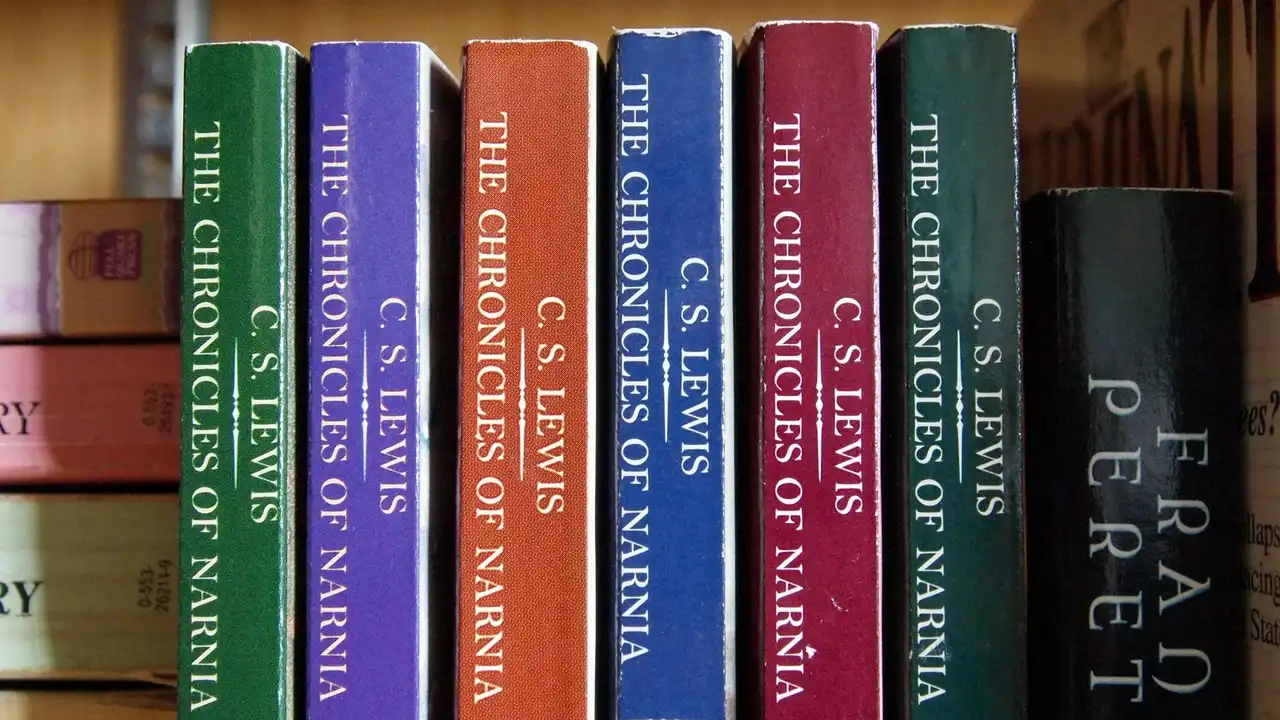
Some of the most impactful spiritual books were written in our own era. They translate ancient wisdom into practices for modern problems like anxiety, busyness, and the search for purpose. When people ask for the best spiritual books of all time, many of these modern titles are on the list.
This curated list focuses on applied spirituality.
- The Power of Now by Eckhart Tolle: This book is for the endlessly busy mind. Tolle argues that almost all our pain comes from living in memories of the past or anxiety about the future. His guide to present-moment awareness has helped millions.
- Peace Is Every Step by Thich Nhat Hanh: Turn washing dishes or drinking tea into a meditation. This book is a series of short, gentle reflections on bringing mindfulness into every tiny action of your day.
- Start Where You Are by Pema Chödrön Feeling stuck, afraid, or angry? Chödrön teaches “lojong” or mind-training slogans. They are simple phrases you can use to work with difficult emotions, not against them.
- The Four Agreements by Don Miguel Ruiz: This book offers a simple, powerful code of personal conduct based on ancient Toltec wisdom. Its agreements, like “Don’t take anything personally,” are tools for emotional freedom.
- Braiding Sweetgrass by Robin Wall Kimmerer: Kimmerer blends indigenous wisdom, scientific knowledge, and the story of plants. This book addresses the deep need to find your place within the living world, not separate from it.
For recent works that feel fresh and relevant, look to the best spiritual books from 2023 and 2024. I recommend An Immense World by Ed Yong (for a spiritual awe through science) and On Giving Up by Adam Phillips (for a psychoanalytic look at what we release to grow). These books show the ongoing, vibrant conversation about meaning and purpose in our lives.
Spiritual Journeys in Fiction and Story
I love when a story does more than entertain. Some novels weave the search for meaning right into their plot, making you feel the character’s spiritual hunger. These books can be mirrors for your own questions.
Let me share a few favorites where that journey is the heart of the tale.
- The Alchemist by Paulo Coelho: This is a timeless fable about a shepherd boy following his dream. It feels hopeful and warm, like a friend encouraging you to listen to your heart. The desert landscapes are described so vividly you can almost feel the sand. If you want a book that feels like a gentle push toward your personal legend, start here.
- The Dharma Bums by Jack Kerouac: This book offers a poetic, rugged journey. It’s less about answers and more about the restless search itself, set against mountains and open roads. The tone is challenging and free, asking you what real freedom means. Read this if you crave a story where spirituality is found in movement and nature, not a quiet chapel.
- Books like The Book of Eli: For adventure with a spiritual core, try post-apocalyptic tales where faith is a tool for survival. They often carry a mysterious, gritty tone. The journey is physical, but every step asks what you hold sacred when the world falls apart.
- Books like Angelology by Danielle Trussoni: This blends ancient biblical lore with a modern thriller. It wraps big questions about divine conflict in a page-turning mystery. The tone is dark and speculative, perfect if you enjoy your spiritual themes with a side of suspense. Think of it as a detective story for the soul, full of hidden histories and celestial secrets.
Each of these books carries a different emotional weather. “The Alchemist” is sunny and hopeful, while “Angelology” is shadowy and intriguing. I’ve read several other titles that share this atmospheric mood, and there are more that echo the same vibe. Picking one depends on whether you want comfort or a puzzle for your spirit.
Books for Specific Readers: Young Adults and Men Seeking Faith
Your twenties are a prime time for big questions. Who am I? What do I really believe? I remember my own young adult years, full of doubt and a need to build a belief system that felt truly mine, not just inherited. Here are books that speak directly to that.
First, for the FAQs: “best spiritual books for young adults” and “best spiritual books for 20 year olds men.” The needs often overlap—dealing with identity, confronting doubt, and finding personal truth. This naturally ties into Christian book recommendations for young adults navigating faith, identity, and modern challenges. In the next steps, we’ll add implicit hyperlinks to the top Christian picks that address these concerns.
- The Reason for God by Timothy Keller: This book tackles modern doubts head-on. It’s accessible theology that feels like a thoughtful conversation. I recommend it to anyone, especially young men, who have intellectual hurdles with faith and want clear, reasoned discussions.
- Bird by Bird by Anne Lamott: Though framed as writing advice, this memoir is a spiritual gem. Lamott talks about life, loss, and grace with hilarious, raw honesty. It deals with building a belief system through everyday messiness. The tone is hopeful and real, like a wise aunt sharing her stories.
- The Power of Now by Eckhart Tolle: This is modern philosophy that cuts to the chase. It’s about finding peace in the present moment, which really resonates when you’re stressed about the future. If anxiety clouds your search for meaning, this book offers practical, immediate grounding.
- Man’s Search for Meaning by Viktor Frankl: A profound memoir from a Holocaust survivor. It explores finding purpose in suffering. This book is challenging but deeply transformative, especially for men grappling with resilience and what makes life worth living.
This mix gives you personal stories, logical frameworks, and mindful practices. They all respect that you’re forming your own path, outside of childhood traditions.
Considering the Author’s Background
Before you read, a quick note on the author’s lens. Knowing an author’s tradition or perspective helps you understand where their advice comes from. It’s not about right or wrong, but about context.
For example, if you’re looking for the best spiritual books Hinduism has to offer, a text like the Bhagavad Gita is foundational. But reading a translation by Eknath Easwaran versus a scholar like B.K.S. Iyengar offers different insights-one is more devotional, the other more technical. Checking the author’s background clarifies their approach and helps you pick the version that matches your curiosity. Similarly, some readers seek Bible translations that read like a novel, engaging narratives that still support focused study. These versions help you follow the story while comparing notes and translator choices.
This applies to any tradition. A book on Christian mysticism by Thomas Merton comes from a Catholic monk’s experience, while a book on Buddhism by Thich Nhat Hanh stems from Zen practice. Being aware of this simply makes you a more informed reader, ready to engage with the material on its own terms, especially when exploring books that offer similar wisdom to Jay Shetty’s Think Like a Monk for modern mindfulness and purpose.
How to Choose Your Next Book: A Friendly Guide
Finding the right spiritual book is a personal journey. It is less about finding the “best” book and more about finding the right book for you, right now. Think of it like choosing a companion for an important conversation. I like to start by asking myself a few simple questions.
Start With Your Intention
Before you look at any list or review, pause for a moment. Ask yourself what you are truly seeking. Your answer will point you in the right direction.
- Are you looking for comfort? You might want a book that feels like a gentle guide, offering peace and reassurance during a difficult time.
- Are you looking for a challenge? You might be ready for a text that questions your assumptions and pushes your understanding further.
- Are you looking for history or wisdom? You may want to explore sacred texts, philosophical works, or the biographies of influential spiritual figures.
- Are you looking for practice? Your search could be for a book with clear exercises, meditations, or actionable steps for daily life.
Naming your primary intention acts like a compass, helping you navigate the vast world of spiritual writing.
Finding a Voice That Resonates
Picking a spiritual book is very much like choosing a friend for a specific, deep conversation. You would not ask for advice on a heavy heart from someone whose tone feels flippant. You would not seek intellectual debate from someone who only speaks in platitudes.
An author’s voice-their style, tone, and personality-is everything. Does the writing feel stern or welcoming? Academic or poetic? Abstract or grounded in everyday stories? The right voice will make complex ideas feel accessible and true, while the wrong one can make even beautiful wisdom feel distant.
The best way to test this is to read a little before you commit. I always do this.
- Use the “Look Inside” feature on online book retailers.
- Visit a library or bookstore and read the first few pages and a random page from the middle.
- Listen to a brief audio sample if you prefer audiobooks.
Pay attention to how the words make you feel. Do you feel intrigued? Understood? A little bored? Your gut reaction is a powerful tool.
Using Community Wisdom Wisely
You might search for terms like “best spiritual books reddit” to see what real readers are loving. This is a great instinct. For a broader take, you can also use the best book recommendation websites and engines to find your next read. They can surface titles you might not discover through communities alone. Online communities can surface incredible, less mainstream books you might not find otherwise.
Go beyond just noting the book titles. Read the comments. Look for patterns.
- When someone says a book changed their life, what specific need do they say it addressed? Was it grief, doubt, or a search for meaning?
- Notice if multiple people mention the same strength (e.g., “it has practical exercises”) or the same caution (e.g., “the beginning is slow”).
- See if the recommendations come from a variety of traditions. A diverse list often means the suggestions are focused on universal human experiences rather than a single dogma.
Treat community lists as a starting point for discovery, not a final verdict. Cross-reference a recommended book with your own intention check and voice test. A book beloved by thousands may still not be the right friend for you at this moment, and that is perfectly okay. Your path is your own.
Your Next Step on a Personal Journey
The best books meet you where you are, offering companionship for your questions rather than demanding a single answer. Consider any book from these recommendations a trusted guide for your own path toward deeper faith and personal growth. Your journey is unique, and the right book at the right time can be a powerful tool for reflection and transformation. When you’re feeling lost, non-fiction guides to finding your path can offer practical steps. They can serve as steady maps as you explore what matters most.
Written by Chrestos Plácida. Chrestos is an avid book reader and enthusiast. He reads and reviews countless books every year and has started multiple book clubs around his community where he helps the readers decide on which book to read next based on his personal reading experience. He also has a degree in literature and an interest in the classics and history and has written many books reviews for online blogs and review sites.