
The Best Self-Help Books for Stronger Relationships and Self-Love
The best self-help books I’ve found for relationships and self-love are the ones that speak to you like a wise friend, offering gentle, practical guidance that you can actually use. I’ve sought out these books for years, both to navigate my own life and to help others find their next great read.
Below, I’ll share my top recommendations and explain why each one stands out. You’ll find books that help you build healthier connections and others that guide you toward a kinder relationship with yourself. Here are a few you can expect to see:
- Classic guides that have helped millions of readers communicate better.
- Modern takes on self-compassion that feel like a supportive conversation.
- Practical workbooks with exercises that create real change.
How to Pick a Self-Help Book That Actually Works for You
The right book doesn’t just have good advice. It feels like it was written for you. A book that lands with a thud for one person can be a revelation for another, and it all comes down to the fit between the book’s voice and your specific need.
The secret is to treat book selection like finding a good coach, not just a list of instructions. You want someone whose style motivates you. Before you commit, do a little detective work.
- Check the author’s credentials. Are they a researcher, a therapist, or a storyteller who’s been through it? Each brings a different kind of wisdom.
- Look for concrete steps, not just philosophy. Scan the table of contents for chapters that promise “how to” rather than just “why.”
- Sample the tone. Read a few pages online. Does the author feel like a gentle friend or a direct coach? Your preference matters.
- Note the publication date. Core human truths are timeless, but examples and some social context can feel dated.
Compare the experience of reading John Gottman’s heavily researched books on marriage, which are like a detailed map, to Jen Sincero’s personal, fiery pep talks in “You Are a Badass,” which are more like a friend yelling encouraging truths from a moving car. Both are valuable, but they serve different moods.
My best advice is to choose just one book that calls to you right now and commit to it. The goal is to apply the ideas, not just collect them. Starting one is always more powerful than intending to start five.
Transformative Reads for Your Relationships
When people ask, “What are the best self-help books for improving relationships?” they’re often looking for a compass. The following books are trusted guides that have helped countless readers navigate connection, communication, and conflict.
| Title / Author | Core Focus | Why It Stands Out |
|---|---|---|
| Attached by Amir Levine & Rachel Heller | Adult attachment theory (Anxious, Secure, Avoidant styles) | Gives a simple, powerful framework for understanding your relationship patterns and needs. |
| The Seven Principles for Making Marriage Work by John Gottman | Data-based habits for strengthening romantic partnerships. | Backed by decades of scientific observation of real couples. It’s practical and diagnostic. |
| Set Boundaries, Find Peace by Nedra Glover Tawwab | Establishing healthy limits in all relationships (family, work, friends, romance). | Extremely clear, actionable steps for a challenge many find abstract and difficult. |
Attached by Amir Levine & Rachel Heller
The Vibe Check
This book reads like a clear, reassuring science class about your own heart. It’s for anyone who feels confused by their own or their partner’s relationship behaviors. It may feel too categorical if you dislike personality labels. It nods to the idea that the best books are emotional, character-driven explorations of deep psychology and complex relationships. If that focus resonates, this book may feel especially relevant.
Time Investment Verdict
You’ll likely recognize yourself within the first few chapters. It’s a relatively fast read with immediate “aha” moments.
A Perfect Pairing
Listen to an album you loved during a past relationship. Notice if the lyrics or feelings connect to any attachment styles the book describes.
A Note on the Author
The authors are psychiatrists and neuroscientists. Their style is clinical yet compassionate, turning complex psychology into accessible categories. Remember, these are styles, not fixed destinies.
The Seven Principles for Making Marriage Work by John Gottman
The Vibe Check
Think of this as a master mechanic’s manual for your relationship. The tone is direct, research-focused, and packed with exercises. It’s best for those ready to do proactive maintenance work.
Time Investment Verdict
This is not a one-sitting book. Plan to read it slowly with your partner, pausing to complete the many questionnaires and activities together.
A Perfect Pairing
Watch a movie like “The Incredibles” or “Up”-films that show long-term partnership through both mundane and heroic moments.
A Note on the Author
Gottman is a legendary relationship researcher. His advice comes from predicting divorce with over 90% accuracy by observing couples’ interactions. His work is authoritative, but the book’s examples can feel a bit traditional.
Book Club Discussion Starters
If you’re reading one of these with a group, these questions can spark great conversation:
- Which concept from your reading was most challenging to accept about yourself, and why?
- Think of a fictional couple from a book or show. How might the principles from this book apply to their relationship?
- What is one small, actionable piece of advice from this book that you could practice this week?
Sometimes, the deepest lessons about honesty and communication come through story. Memoirs like Gene Wilder’s Kiss Me Like a Stranger offer raw, personal looks at love and connection, while novels with fraught relationships, like many young adult stories, let you see these dynamics play out from a safe, observant distance.
Gentle Guides for Your Self-Love Journey
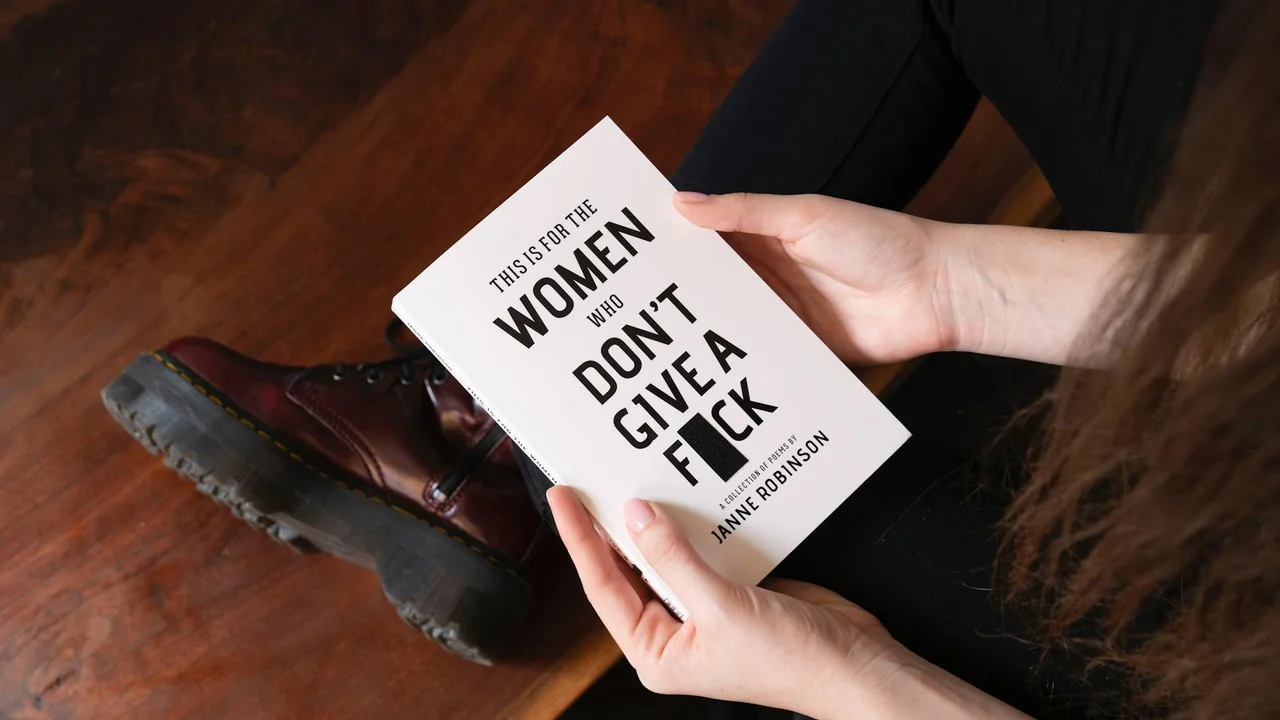
The question, “What are the best self-help books for practicing self-love?” points to a tender, personal search. It’s about shifting your inner voice from critic to ally. The books below each offer a distinct path toward that goal. Some readers wonder whether the best paths to growth come from self-help or from literary fiction with deep character development. That broader conversation will be reflected through implicit links in the next steps.
| Title / Author | Core Focus | Why It Stands Out |
|---|---|---|
| The Gifts of Imperfection by Brené Brown | Wholehearted living through embracing vulnerability, courage, and self-compassion. | Connects deep research with heartfelt storytelling. It feels like a permission slip to be yourself. |
| You Are a Badass by Jen Sincero | Breaking self-sabotaging beliefs and creating a life you love. | Energetic, funny, and blunt. It’s a jolt of motivational electricity for when you feel stuck. |
| Self-Compassion by Kristin Neff | The proven practice of treating yourself with the kindness you’d offer a friend. | Grounds the fluffy concept of “self-love” in structured, meditative exercises and solid psychology. |
The Gifts of Imperfection by Brené Brown
The Vibe Check
This book feels like a warm, deep, and honest conversation with a wise researcher who gets it. It’s for readers who crave substance and stories over quick fixes. It might feel too soft if you want a rigid, step-by-step program.
Time Investment Verdict
It’s a book to savor, not rush. Each of the ten “guideposts” deserves reflection. You can read it in sections over a few weeks.
A Perfect Pairing
A warm mug of tea and a cozy blanket. The experience is nurturing.
A Note on the Author
Brené Brown is a vulnerability and shame researcher. Her superpower is making academic concepts feel intensely human and relatable. Her work is a foundation, not a flashy trick.
You Are a Badass by Jen Sincero
The Vibe Check
This is a bold, sweary, energetic pep talk in book form. It’s perfect if you need a confidence boost and are tired of your own excuses. The tone is too brash for readers preferring a quiet, gentle approach.
Time Investment Verdict
You can read it fast. Its energy is contagious, and chapters are short and punchy, designed for immediate impact.
A Perfect Pairing
A playlist of powerful, anthemic songs that make you feel unstoppable. Blast it before you start reading.
A Note on the Author
Jen Sincero is a success coach and former writer. She writes from personal transformation, using humor and direct challenge. Think of her as the tough-love friend who believes in you more than you believe in yourself.
You’ll notice Brené Brown and Jen Sincero aim for the same destination-a better relationship with yourself-but use completely different maps. Brown leads with researched vulnerability, Sincero with unapologetic motivation. Your preference is your guide.
This journey of learning your own worth is a central theme in stories, too. In many young adult novels, characters literally fight to discover their strength and value. The emotional arc of self-love in fiction, where a character must learn to hold themselves with care, mirrors our own real-world struggles beautifully. It is especially evident to those interested in how teen fiction shapes identity and empathy.
When a Book Might Not Be the Right Tool
I love books and believe in their power. But it’s also true that a book is a guide, not a cure-all—no matter how much it claims to have all the answers. Think of a great self-help book like a detailed map from a friend who took the journey before you. It shows the path, but you still have to walk it yourself, and sometimes the terrain is tougher than expected.
Clear Signs to Seek Professional Support
Reading is a powerful tool for growth and reflection. Professional support from a therapist or counselor is a different, vital tool for healing. Consider reaching out for that support if you notice:
- Persistent feelings of deep sadness, anxiety, or hopelessness that don’t shift.
- Thoughts of harming yourself or others.
- Patterns in your relationships that feel abusive, severely manipulative, or dangerous.
- Overwhelming trauma or grief that feels too big to hold on your own.
Starting a book while also talking to a professional can be a wonderful combination. One supports the doing, the other supports the being.
When NOT to Try This
Books work on the person reading them. Sometimes you have to finish a book you don’t enjoy, and strategies can help you get through it. Here are a few scenarios where a book alone might lead to frustration.
- To change another person. Buying a relationship book for your partner with the hope that *they* will read it and change is usually a dead end. The work starts with you.
- As a quick fix during a crisis. If you are in the middle of a severe relationship breakdown or a mental health crisis, a book is unlikely to provide the immediate, tailored help you need.
- As a replacement for personal reflection. If you find yourself reading book after book but never pausing to journal or think about how the ideas apply to your own life, you’re collecting information, not creating change.
A Balanced View on Popular Approaches
Most popular books offer useful frameworks, but they are not absolute truth. For instance, many books on attachment theory (like the excellent Attached) can help you understand your relationship style. Use these ideas as a lens for self-awareness, not as a rigid label for yourself or others. People are more complex than any single category. Also, be gentle with yourself. If a popular book’s advice feels shaming or overly simplistic, it’s okay to put it down and look for another voice that resonates better with you. Remember, finding the right resources is part of the journey—especially when exploring connections and identity.
From Reading to Living: How to Apply What You Learn
The magic happens in the space between reading a chapter and trying something new. Here is a simple way to bridge that gap.
Your Step-by-Step Practice Plan
- Keep a dedicated journal. Don’t just read. As you go, write down one sentence that strikes you from each chapter. What made you pause? What felt true? What felt challenging?
- Pick one exercise per week. Most books suggest small practices. Choose just one. It could be a gratitude list, a boundary-setting script, or a mindfulness minute. Commit to trying that single thing for seven days.
- Reflect each evening. In your journal, note one way the practice felt that day. No grade, just observation. “Today, saying no felt scary but quiet.”
Create a “Blended Reading” List
Pairing a self-help book with a novel lets you see the concepts play out in a story. This cements the idea and makes it feel more human. Here are a few pairings I love:
- Read *Attached* by Amir Levine and Rachel Heller alongside the young adult romance Act Like You Love Me by Serena Bell. The novel beautifully explores the push-and-pull of an anxious-preoccupied character, giving life to the theory.
- Read *The Gifts of Imperfection* by Brené Brown with the charming, awkward fake-dating story Fake It Like You Mean It by Crystal Cestari. Watch characters struggle with showing their true, imperfect selves.
- Read about communication in *Nonviolent Communication* by Marshall Rosenberg and then see the tension between words and feelings in a passionate college romance like Kiss Me Like This by Bella Andre.
Fiction shows us the messy, emotional reality that self-help books help us make sense of.
Progress is almost never a straight line. A chapter that confused you six months ago might become your anchor later. Be patient with your pace, and never hesitate to revisit the pages that once gave you comfort or a challenge. Your understanding of yourself will grow, and the books will reveal new layers right along with you.
Your Reading Path to Better Relationships and Self-Love
I believe the best self-help book for you is the one that feels like a warm conversation with a wise friend. Choose a book that matches where you are right now, and let its pages guide your small, steady steps forward. Consider how the best personal growth books can influence mindset, habits, and overall life satisfaction as you put their ideas into practice. This reflection can help you spot titles that truly support lasting change.
Written by Chrestos Plácida. Chrestos is an avid book reader and enthusiast. He reads and reviews countless books every year and has started multiple book clubs around his community where he helps the readers decide on which book to read next based on his personal reading experience. He also has a degree in literature and an interest in the classics and history and has written many books reviews for online blogs and review sites.