
Find Your Flavor: The Best Cookbook for Every Kitchen and Craving
Whether you’re craving the smoky heat of Oaxacan chilies, need clear guidance for your new gluten-free diet, or want to master the art of sourdough, I believe the right cookbook on your shelf feels like a trusted friend in the kitchen. I’ve spent years collecting them, their pages stained with olive oil and dog-eared at my favorite recipes.
This guide sorts through the noise to connect you with the perfect book. We’ll look at standout titles for regional cuisines, dietary needs, and foundational techniques. My quick picks to get you started include:
- Regional Standout: A book that captures the soul of a place.
- Dietary Essential: A guide that makes restrictions feel liberating.
- Technique Masterclass: A resource that builds true kitchen confidence.
Key Takeaways: Your Shortcut to the Perfect Cookbook
If you want to build a reliable kitchen library, start with these versatile foundations. They are the books I return to again and again.
- The Joy of Cooking by Irma S. Rombauer: For the new cook who needs a trusted guide to everything from boiling an egg to roasting a turkey.
- Salt, Fat, Acid, Heat by Samin Nosrat: For the cook who learns best by understanding the ‘why’ behind recipes, filled with cheerful illustrations.
- How to Cook Everything by Mark Bittman: For the practical home chef who wants straightforward, flexible recipes for any night of the week.
- Mastering the Art of French Cooking by Julia Child: For the patient cook ready to embrace classic techniques and transformative, detailed instruction.
Top Recommendations at a Glance
This table highlights standout books across major styles. Each one brings something special to your shelf.
| Book Title | Author | Core Focus | Why We Love It |
| Mastering the Art of French Cooking | Julia Child | Regional (French) Technique | The voice is patient and exacting, guiding you to create rich, buttery sauces and perfect pastry. It feels like a cooking class in book form. |
| Plenty | Yotam Ottolenghi | Dietary (Vegetable-Forward) | The recipes burst with color and texture. You can almost taste the bright lemon and smell the fresh herbs just by reading the pages. |
| The Food Lab | J. Kenji López-Alt | Technique & Science | This book answers every “what if” question. It turns cooking into a fun experiment, with photos showing the exact result of each technique. |
| Thai Food | David Thompson | Regional (Thai) | It’s a deep, immersive journey. The recipes teach you how to balance hot, sour, salty, and sweet to create vibrant, authentic flavors. |
| Dinner: A Love Story | Jenny Rosenstrach | Weeknight & Family Cooking | The tone is warm and realistic. These are recipes designed for busy lives, full of comforting aromas and guaranteed crowd-pleasers. |
| Bravetart | Stella Parks | Technique (Baking) | It demystifies classic American desserts. You get foolproof methods for heavenly, glossy buttercream and chewy chocolate chip cookies. |
| The Veganomicon | Isa Chandra Moskowitz & Terry Hope Romero | Dietary (Vegan) | It’s a friendly, comprehensive manual. The recipes are inventive and satisfying, proving plant-based food is never boring. |
Finding Your Flavor: A Guide to Our Cookbook Criteria
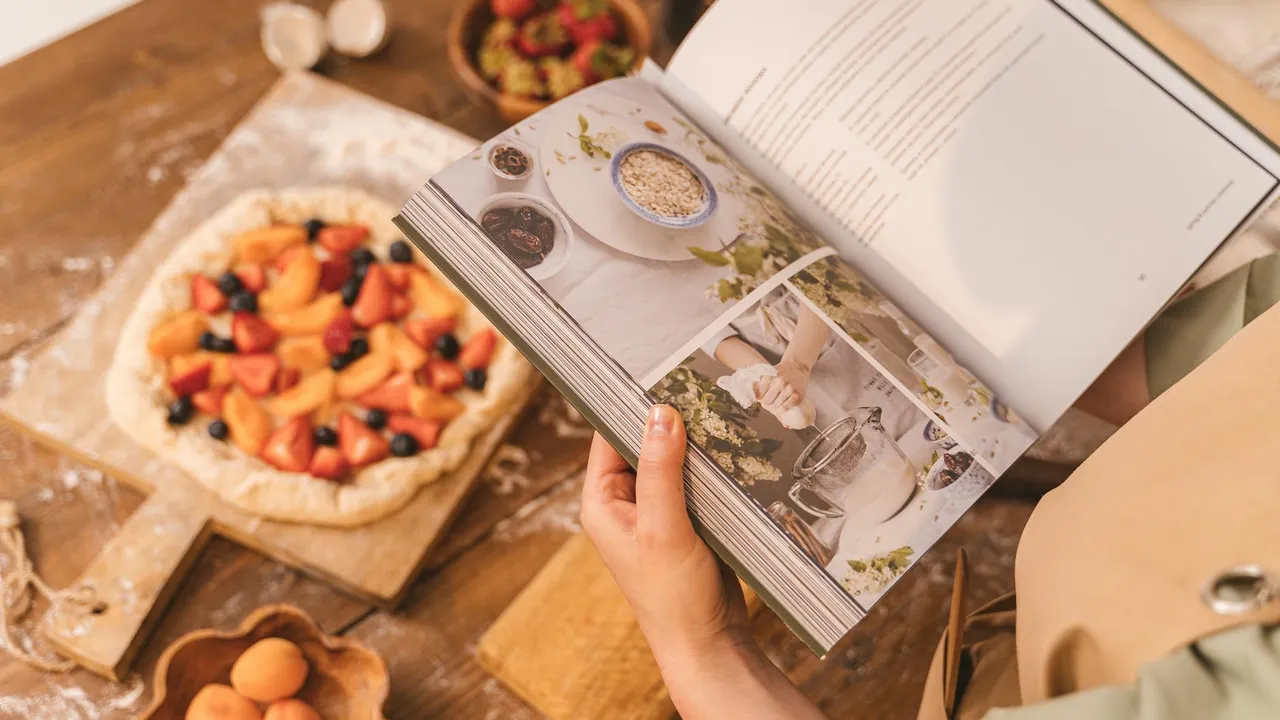
A great cookbook is more than a collection of recipes. It’s a trusted kitchen companion. We judge books by four main qualities, especially when compared to high-stakes culinary drama.
First, reliability. Every recipe should work when you follow the steps. Second, clarity. Instructions must be easy to understand, without confusing jumps. Third, teaching value. The best books explain the method so you learn a skill, not just a single dish. Fourth, inspiration. A book should make you excited to cook, whether through beautiful photos or an author’s passionate voice.
Consider the difference between two excellent authors. Julia Child’s Mastering the Art of French Cooking is a dense, technique-heavy masterwork. It assumes you want to learn the proper way to julienne a carrot or make a hollandaise from scratch. Jenny Rosenstrach’s Dinner: A Love Story, on the other hand, is like a best friend sharing her family’s favorite weeknight strategies. It prioritizes ease and flavor over classical precision.
Both styles are valuable, but they serve different moments in your cooking life.
A quick caveat. Some classic books, like those from Julia Child or Marcella Hazan, assume you have a basic kitchen confidence. They are wonderful teachers, but they might not hand-hold you through every term. That’s where a foundational book like The Joy of Cooking becomes a perfect partner, filling in those gaps. Ultimately, best book recommendations often come down to specific titles rather than broad guidance. In the next steps, we’ll point to those exact titles as implicit links you can click through, like insert your book here.
For the World Traveler: Best Cookbooks for Regional Cuisines
Nothing beats cooking a meal that transports you to another place. These books are your passport.
What are the best cookbooks for mastering French cuisine?
French cooking can feel intimidating. The right books turn that feeling into pure joy. For the classic foundation, you need Julia Child’s Mastering the Art of French Cooking. Her voice is patient and exacting. Reading her is like having a brilliant, slightly demanding aunt guiding your every move. For a modern, relaxed approach, David Lebovitz’s My Paris Kitchen is perfect. His recipes are infused with a Parisian home cook’s sensibility and witty stories—just one of the many ways to embrace that Parisian lifestyle.
Time Investment Verdict for “Mastering the Art”: Don’t try to read it like a novel. The first 100 pages are a masterclass in fundamentals. Work through those techniques first, and every recipe that follows will make complete sense. If you’re curious about the best books that teach figure drawing, watercolor washes, or oil painting glazing, we’ll highlight top picks in the next section.
What are the top cookbooks for authentic Italian cooking?
Authentic Italian cooking is about superb ingredients and regional traditions. To cook like a real Italian, start with Marcella Hazan. Her Essentials of Classic Italian Cooking is essential because of her clear, no-nonsense writing. She explains the ‘why’ behind every instruction, building your intuition.
For a deep dive into regionality, The Silver Spoon is Italy’s best selling cookbook for a reason. Vibe Check: This book is encyclopedic. Its style is direct, with minimal photography. It’s for a cook who wants a comprehensive reference, not a lot of hand-holding. It truly is the book to have if you want to cook like an Italian from any region.
Which cookbooks are essential for learning Japanese cooking techniques?
Japanese cuisine relies on precise techniques that create incredible flavor. For understanding the mechanics, Japanese Cooking: A Simple Art by Shizuo Tsuji is the comprehensive volume. It explains foundational methods like dashi-making in detail.
For an accessible, weeknight-focused option, I love Everyday Harumi by Harumi Kurihara. Her recipes are streamlined for modern life but remain authentically Japanese. The key difference is scope: one is a textbook for the dedicated student, the other is a friendly guide for your regular kitchen.
What are the best cookbooks for Mexican or Tex-Mex cuisine?
Look for authors who honor the vast diversity beyond tacos and burritos. Diana Kennedy’s The Essential Cuisines of Mexico is a scholarly, passionate guide to true regional cooking. Be aware that some ingredients may require a trip to a specialty market, but her explanations are worth it. It’s a refreshing approach compared to some food and diet books that lean heavily on metaphor.
For a more approachable take that still respects roots, Rick Bayless’s Mexican Everyday is fantastic. He often provides easier-to-find substitutions without sacrificing the soul of the dish. These authors treat Mexican food with the depth and respect it deserves.
For Your Kitchen Lifestyle: Best Cookbooks for Dietary Needs
The best dietary cookbooks don’t focus on restriction. They celebrate the delicious possibilities that are already there. They embrace the joy of cooking, similar to how some stories blend magic and flavor to create unforgettable experiences.
Can you recommend cookbooks for vegetarian and vegan diets?
Absolutely. Let’s separate them. For vibrant, foolproof vegetarian food, Plenty by Yotam Ottolenghi is a game-changer. His use of vegetables is revolutionary and satisfying.
For vegan cooking, Isa Chandra Moskowitz is a legend. Her book Veganomicon is the cornerstone. Her writing style is punk-rock and energetic. It feels like your coolest friend is cheering you on in the kitchen. Reading her recipes makes you excited to cook.
If you’re discussing a plant-based cookbook with friends, here are three Book Club Discussion Starters:
- Which recipe surprised you by being more filling or flavorful than you expected?
- Did any technique in this book (like a new way to cook beans or tofu) change your routine?
- How did the author’s perspective make you think about “comfort food” differently?
What are the best cookbooks for gluten-free cooking and baking?
Gluten-free baking is a science. You need formulas you can trust. Gluten-Free Artisan Bread in Five Minutes a Day by Jeff Hertzberg and Zoë François is a lifesaver. Their method delivers bread with real texture, not gummy bricks.
For all-purpose cooking and baking, America’s Test Kitchen’s How Can It Be Gluten Free Cookbook is invaluable. Their expertise comes from relentless testing, not just personal necessity. They explain why certain flour blends work, so you can learn and adapt.
Which cookbooks are recommended for keto or low-carb diets?
Look for books that use whole foods to create flavor, not just processed substitutes. The Ketogenic Bible by Jacob Wilson and Ryan Lowery is excellent for understanding the science behind the diet before you even start cooking, unlike just reading any book reviews that are not related to nutrition.
For recipes, The Keto Reset Diet Cookbook by Mark Sisson is a favorite. Vibe Check: This book is about sustainable, family-friendly meals. The vibe is supportive and practical, with a focus on hearty dishes that don’t feel like you’re missing out. It’s less about lab science and more about getting a great dinner on the table. Like the best books that build life-changing habits and personal growth—think Atomic Habits or The Power of Now—this guide emphasizes small, sustainable steps over quick fixes.
For Sharpening Your Skills: Best Technique-Focused Cookbooks
These are the books that live on your counter, not your shelf. They build the skills that improve everything else you make.
What are the best cookbooks for mastering baking and pastry?
The undisputed “bible” is The Bread Baker’s Apprentice by Peter Reinhart. His teaching method is like a passionate professor. He explains the science of fermentation in a way that feels magical and logical, especially when compared to many traditional bibles that can be a bit dry.
For a more forgiving, confidence-building alternative, I recommend anything by Claire Saffitz. Her book Dessert Person feels like learning from an encouraging, highly skilled friend. She categorizes recipes by your comfort level, which takes the fear out of advanced baking. If you’re exploring a similar self-help vibe, you might also enjoy similar popular self-help nonfiction like Atomic Habits, The Subtle Art of Not Giving a Fck, and Sapiens. They translate big ideas into practical, approachable steps, just as Dessert Person makes baking feel accessible.
Can you recommend cookbooks focused on grilling and barbecue?
There are two paths here: fast grilling and low-and-slow barbecue. For quick, flavorful weeknight meals, Jamie Purviance’s Weber books are fantastic. They build confidence with straightforward recipes and great tips.
For the deep dive into true barbecue, Steven Raichlen’s Project Smoke is incredibly engaging. His project-based style (like “Project Brisket”) makes a complex process feel like an achievable, rewarding mission. His books give you the knowledge to cook like a pro at your grill, fostering a real sense of mastery. It’s the ultimate cook like a pro book for live fire.
What are the best cookbooks for learning sous vide or other modern techniques?
Sous vide seems fancy, but it’s just precise heating. The best book to demystify it is Under Pressure by Thomas Keller. Yes, it requires the equipment. But Keller explains the core principles so well that you understand the “why,” making you a better cook even when you’re not using the machine.
For a more practical, recipe-driven approach, The Food Lab by J. Kenji López-Alt, while not exclusively about sous vide, dedicates brilliant sections to it and other modern techniques. It links the science directly to practical, impressive results you can achieve at home.
Your Next Kitchen Adventure
The best cookbook for you is the one that matches exactly what you want to cook right now, whether that’s a regional specialty, a dietary need, or a new technique. I hope these recommendations give you a trusted place to start, so you can find a book that feels written just for your hands and your kitchen.
Written by Chrestos Plácida. Chrestos is an avid book reader and enthusiast. He reads and reviews countless books every year and has started multiple book clubs around his community where he helps the readers decide on which book to read next based on his personal reading experience. He also has a degree in literature and an interest in the classics and history and has written many books reviews for online blogs and review sites.